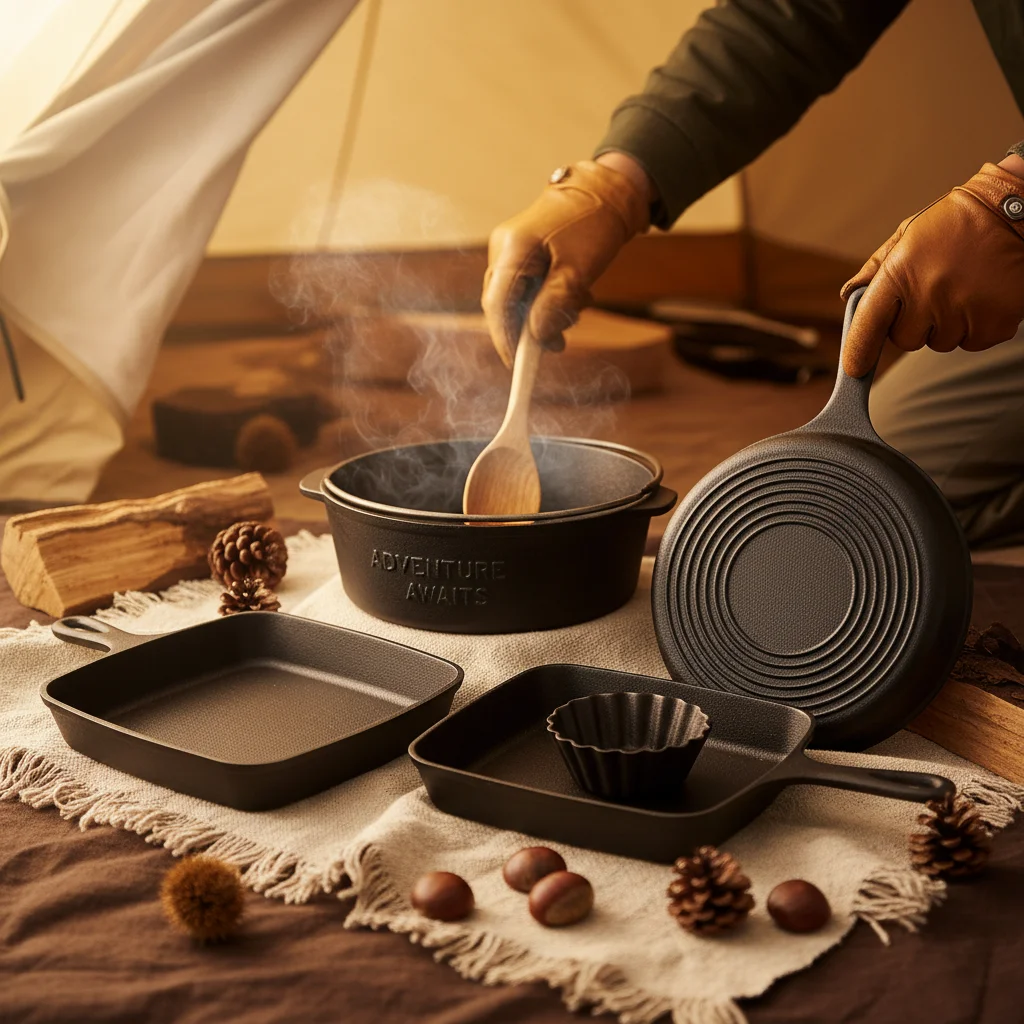
Let me tell you, after years of tracking material flow on sites from Boston to LA, you quickly realize cast iron isn’t just your grandma’s skillet anymore. We're talking about a family of cookware – Dutch ovens for braising, griddles for pancakes, skillets for searing, and even tea kettles. Each piece has its place, its specific build, and its benefits. Understanding these different types of cast iron cookware is vital, not just for home cooks, but for anyone involved in outfitting kitchens for serious use. It's about more than just cooking; it's about durability, heat retention, and a connection to a tradition of quality that frankly, you don’t see enough of these days.
What I've consistently seen, even on the most high-tech builds, is a return to basics. These things last. We’re talking decades, even centuries with proper care. And that longevity has a real impact on total cost of ownership. Beyond that, you get incredible versatility. One Dutch oven can handle everything from a slow-cooked stew to a perfectly browned roast chicken. That’s simplifying inventory, reducing waste, and boosting efficiency, whether you’re managing a residential project or a commercial kitchen. Different types of cast iron cookware offer a unique blend of tradition and practicality.
It's easy to get lost in the marketing hype surrounding stainless steel and non-stick, but I’ve yet to see anything match the even heating and raw, usable heat capacity of a good piece of cast iron. And trust me, the engineers I work with are always talking about heat transfer. It’s fundamental. From a materials perspective, it's a surprisingly simple alloy, but the manufacturing process – that's where the magic happens. It dictates the smoothness of the surface, the consistency of the metal, and ultimately, the performance of the pan. It's these details that separate a tool you can rely on from something that'll warp and fail after a few years.
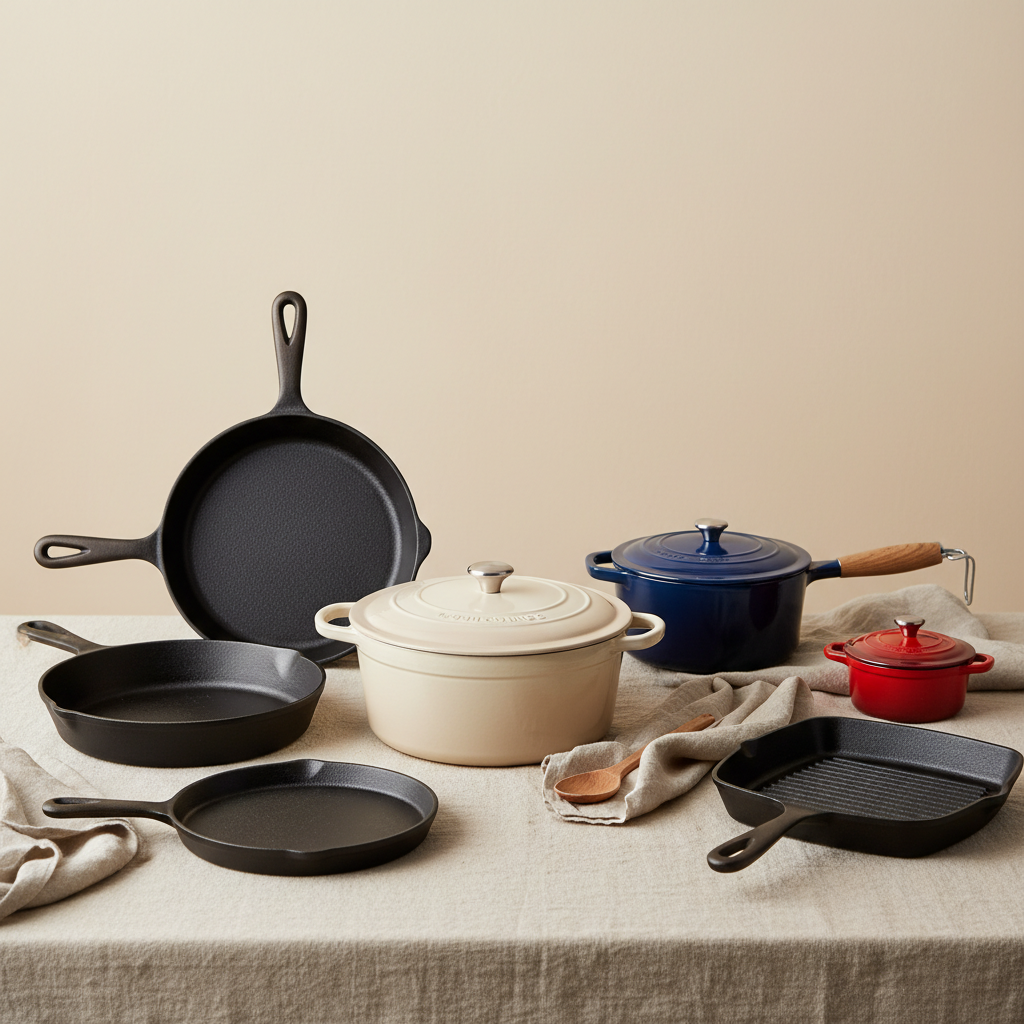
The Introduction to Different Types of Cast Iron Cookware
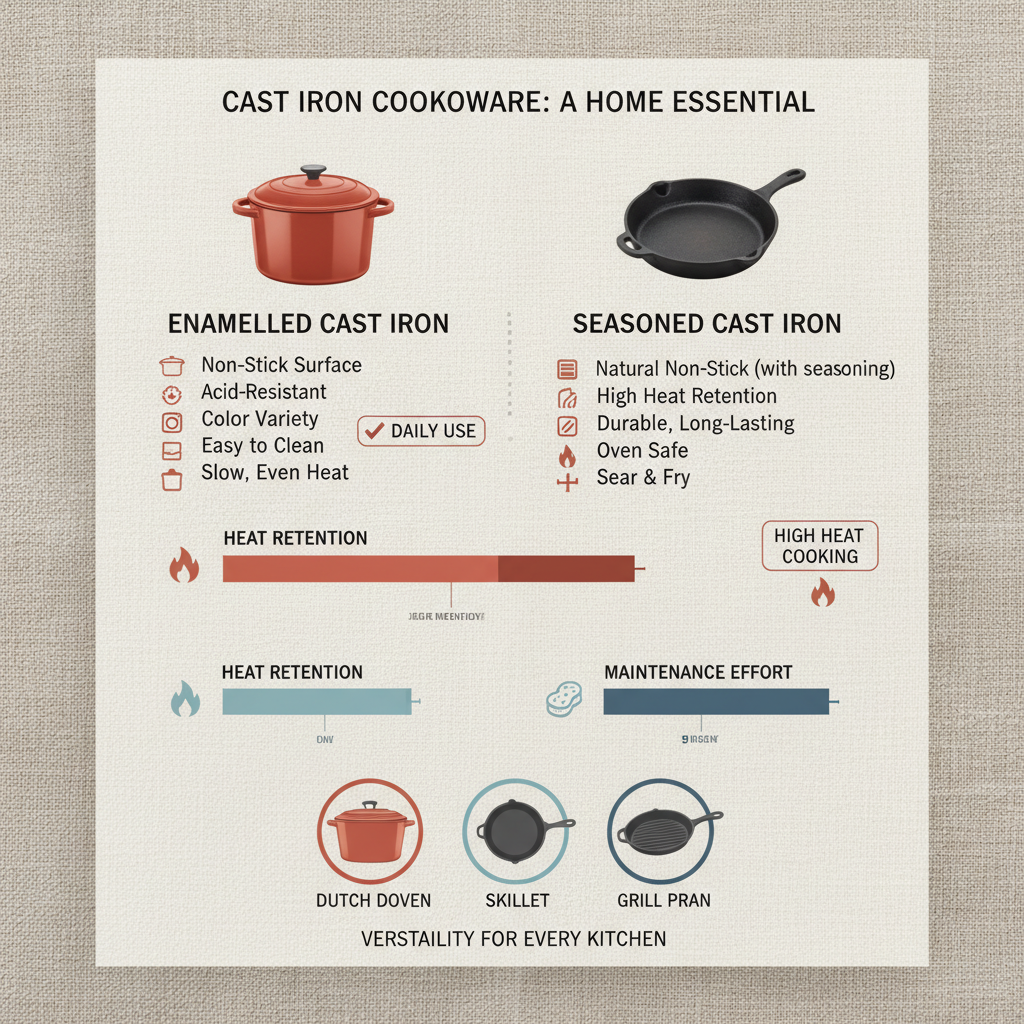
Let’s be clear – when we talk about different types of cast iron cookware, we aren’t just talking about one thing. There’s raw cast iron, seasoned cast iron, enameled cast iron, and variations within those categories. Raw cast iron is porous and needs to be seasoned (coated with oil and baked) to create a non-stick surface and prevent rust. Enameled cast iron has a porcelain coating, eliminating the need for seasoning but potentially sacrificing some of the raw cast iron's heat retention qualities.
From a practical standpoint, the choice depends on the application. A rough, well-seasoned skillet is perfect for searing steaks. A smooth enameled Dutch oven is ideal for delicate sauces. It's knowing these nuances – understanding when to use what – that separates a good cook from a great one, and a smart buyer from someone stuck with a cupboard full of useless pans.
The Historical Development of Different Types of Cast Iron Cookware
You wouldn’t believe how far back this stuff goes. We’re talking centuries. Early iron smelting techniques, originating in ancient China and later refined in Europe, laid the groundwork. But the real boom came with the Industrial Revolution. Suddenly, mass production was possible. Companies like Lodge, which are still around today, started churning out affordable cast iron cookware for a growing middle class.
What's interesting is how the needs of the time dictated the design. Early cast iron was heavy and thick-walled because that's what the technology allowed. But that also proved to be incredibly durable, which is why you find antique cast iron pans still in use today. Over time, techniques improved, allowing for thinner walls and more refined shapes, but the fundamental principles of heat retention and even cooking remained the same. Different types of cast iron cookware have an amazing lineage.
And it’s not just a story of technological advancement. It’s a story of cultural adaptation. Different regions developed their own styles and uses for cast iron, reflecting local cuisines and cooking traditions. You see that in the Dutch ovens of Pennsylvania Dutch country, for example, or the thinner skillets favored in the South for frying.
The Manufacturing Processes of Different Types of Cast Iron Cookware
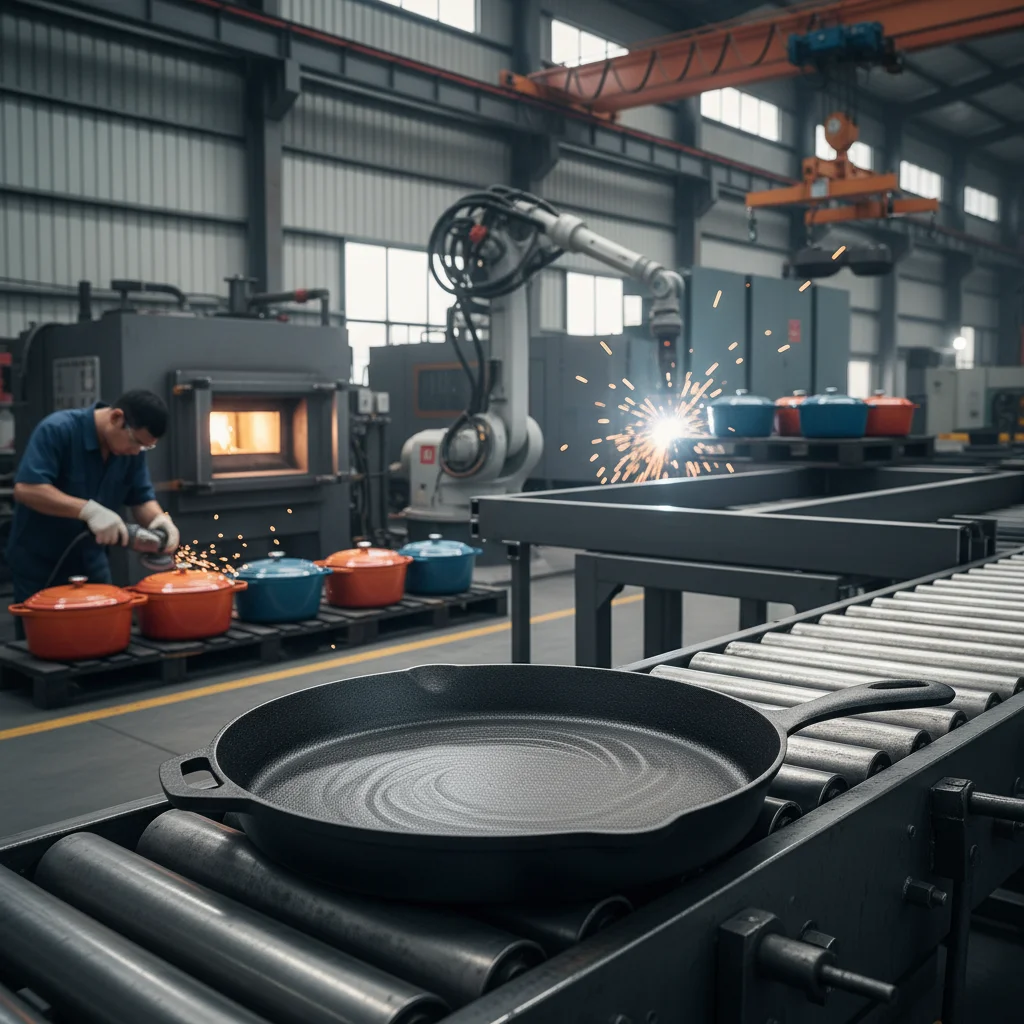
The core process starts with iron ore, coke (a fuel derived from coal), and limestone. These are fed into a blast furnace, which separates the iron from the impurities. This molten iron is then poured into molds – and this is where things get interesting. The type of mold used dictates the final product. For traditional cast iron, sand molds are common, allowing for intricate designs but also resulting in a slightly rough surface.
For enameled cast iron, the process is more complex. After the iron is cast, it’s meticulously cleaned and then coated with multiple layers of porcelain enamel. This requires precise temperature control and careful inspection to ensure a flawless finish. It's a far more labor-intensive process, which is why enameled cast iron typically costs more.
The final step, regardless of the type, is quality control. That means inspecting for cracks, imperfections, and ensuring the metal is properly alloyed. A good manufacturer will also perform heat tests to verify the pan’s ability to distribute heat evenly. This is the kind of stuff that separates the reliable stuff from the junk.
Performance Characteristics of Different Types of Cast Iron Cookware
Let’s talk heat. Raw cast iron excels at retaining heat – that’s its superpower. It heats up slowly, but once it’s hot, it stays hot, even when you add cold food. This makes it perfect for searing, frying, and maintaining consistent temperatures for slow cooking. But that slow heating can also be a drawback if you need quick temperature adjustments.
Enameled cast iron, on the other hand, heats up a bit faster but doesn’t retain heat quite as effectively. The enamel coating also adds a layer of insulation. However, it's much easier to clean and doesn’t require seasoning, which is a big win for some people.
Performance Ratings for Different Types of Cast Iron Cookware
Global Applications of Different Types of Cast Iron Cookware
You'll find cast iron in kitchens all over the world, but its applications vary. In France, enameled cast iron Dutch ovens are staples for classic stews and braises. In the American South, seasoned cast iron skillets are the go-to for fried chicken and cornbread. In Japan, you see a lot of thinner, specialized cast iron teapots and griddles.
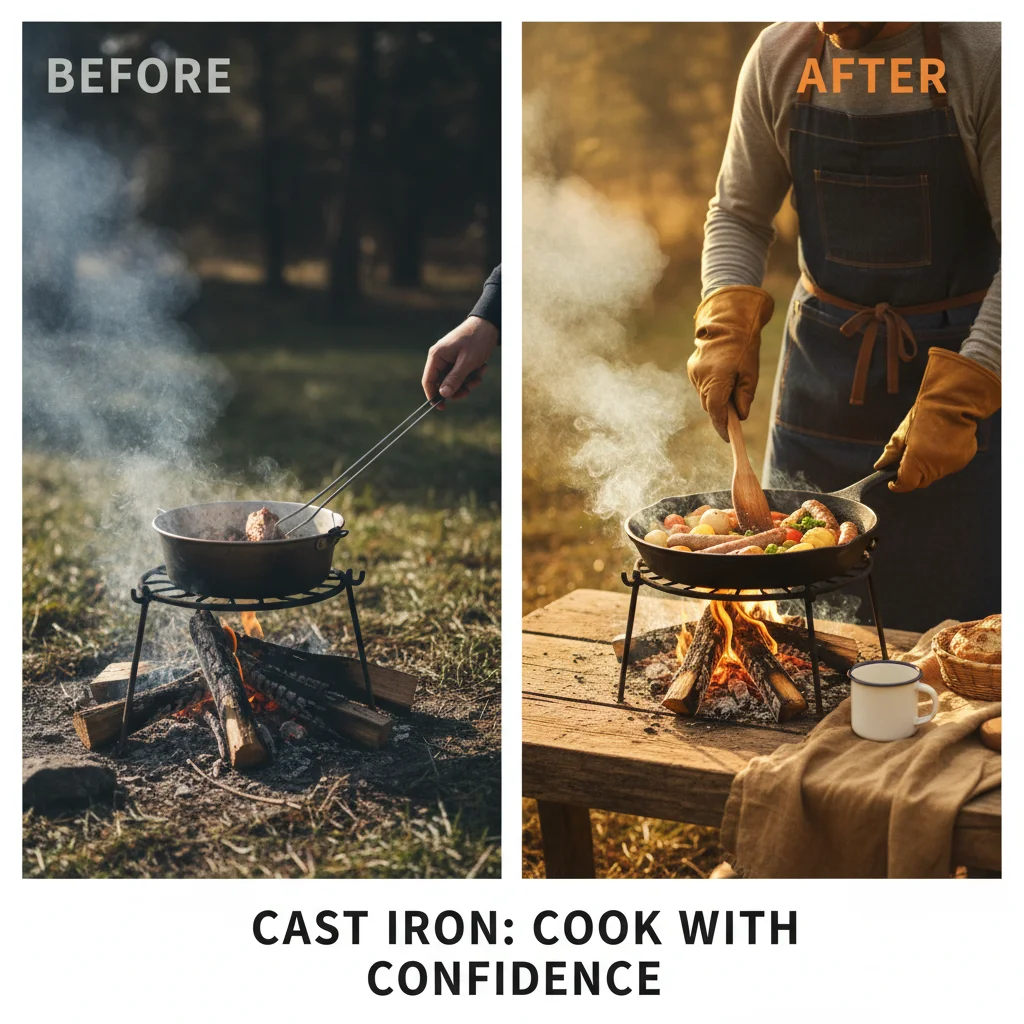
Beyond home cooking, cast iron is also widely used in commercial kitchens, restaurants, and even outdoor cooking setups like camping and chuck wagon cooking. The durability and heat retention make it ideal for high-volume cooking and demanding environments.
The Advantages of Using Different Types of Cast Iron Cookware
The biggest advantage, hands down, is durability. A well-cared-for cast iron pan can last a lifetime, and be passed down through generations. That’s a pretty compelling argument in a world of disposable products. It's also incredibly versatile, and can be used on stovetops, in ovens, and even over campfires.
And let’s not forget the health benefits. When properly seasoned, cast iron can leach small amounts of iron into your food, which is a good thing for people who are iron-deficient. Plus, it's a natural, non-toxic material, unlike some of the newer non-stick coatings.
From a pure cost perspective, a good piece of cast iron is an investment. Yes, it might cost more upfront than a cheap non-stick pan, but it will last far longer, saving you money in the long run.
Future Trends in Different Types of Cast Iron Cookware
We’re seeing a resurgence of interest in traditional cooking methods, and cast iron is benefiting from that. Manufacturers are experimenting with new alloys and coatings to improve performance and reduce weight. There’s also a growing focus on sustainable manufacturing practices, using recycled materials and reducing energy consumption.
I think we’ll also see more innovation in enameled cast iron, with new colors, designs, and features. Smart cookware, with built-in sensors and temperature control, is another possibility, although I’m a bit skeptical about adding too much complexity to something that’s inherently simple and reliable.
Finally, I expect to see a greater emphasis on educating consumers about proper cast iron care and maintenance. A lot of people are intimidated by it, but it’s actually quite easy to care for if you know what you’re doing.
Core Performance Comparison of Different Types of Cast Iron Cookware
| Type of Cookware |
Heat Retention (1-10) |
Ease of Cleaning (1-10) |
Versatility (1-10) |
| Raw Cast Iron Skillet |
10 |
4 |
9 |
| Enameled Cast Iron Dutch Oven |
8 |
8 |
8 |
| Seasoned Cast Iron Griddle |
9 |
5 |
7 |
| Raw Cast Iron Tea Kettle |
7 |
3 |
6 |
| Enameled Cast Iron Saucepan |
6 |
9 |
6 |
| Vintage Cast Iron Pan |
8 |
4 |
8 |
FAQS
Seasoning a new cast iron pan is crucial for creating a non-stick surface and preventing rust. Start by thoroughly cleaning the pan with hot, soapy water. Then, coat it with a thin layer of oil (flaxseed oil is often recommended, but vegetable oil works too). Bake it upside down in a 350°F (175°C) oven for an hour. Let it cool completely in the oven. Repeat this process 3-4 times for a good base seasoning. Consistent use and re-oiling after each wash will maintain that seasoning.
Absolutely not! The dishwasher will strip away the seasoning and cause the cast iron to rust. Handwashing is the only way to go. Use hot water and a non-abrasive sponge or brush. Avoid harsh detergents. If food is stuck, you can simmer some water in the pan to loosen it. Dry the pan immediately and apply a light coat of oil.
Don't panic! Rust can be removed. Scrub the pan with steel wool to remove the rust. Wash it with hot, soapy water. Then, re-season it following the steps outlined above. It might take a few rounds of seasoning to restore the surface, but it's definitely salvageable.
Enameled cast iron is durable, but in a different way. Raw cast iron is virtually indestructible, while enameled cast iron can chip or crack if dropped or subjected to extreme temperature changes. However, the enamel coating protects against rust and makes cleaning much easier. Both types are incredibly long-lasting with proper care.
Lodge is known for its affordable, American-made cast iron, often pre-seasoned. It's a great value for everyday cooking. Le Creuset is a French brand specializing in enameled cast iron, known for its high-quality enamel coatings, beautiful colors, and premium price point. Both are excellent brands, catering to different budgets and preferences.
Yes, you can use metal utensils on well-seasoned cast iron, but be mindful. While it won't necessarily damage the seasoning immediately, excessive scraping can wear it down over time. A gentle approach is always best. Silicone or wooden utensils are a good option if you want to be extra cautious.
Conclusion
Ultimately, different types of cast iron cookware represent a timeless investment in quality and versatility. From the historical context of their development to the nuances of their manufacturing and performance, understanding these tools empowers cooks and professionals alike. It’s about more than just buying a pan; it’s about understanding a legacy of craftsmanship and appreciating the enduring benefits of a material that has stood the test of time.
Looking ahead, I anticipate continued innovation in cast iron, with a focus on sustainability and user-friendliness. But the core principles – durability, heat retention, and versatility – will remain paramount. If you’re serious about cooking, or even just building kitchens that are designed to last, investing in a good set of cast iron is a decision you won’t regret. Visit our website to explore the range of different types of cast iron cookware available today: www.jsycastiron.com.