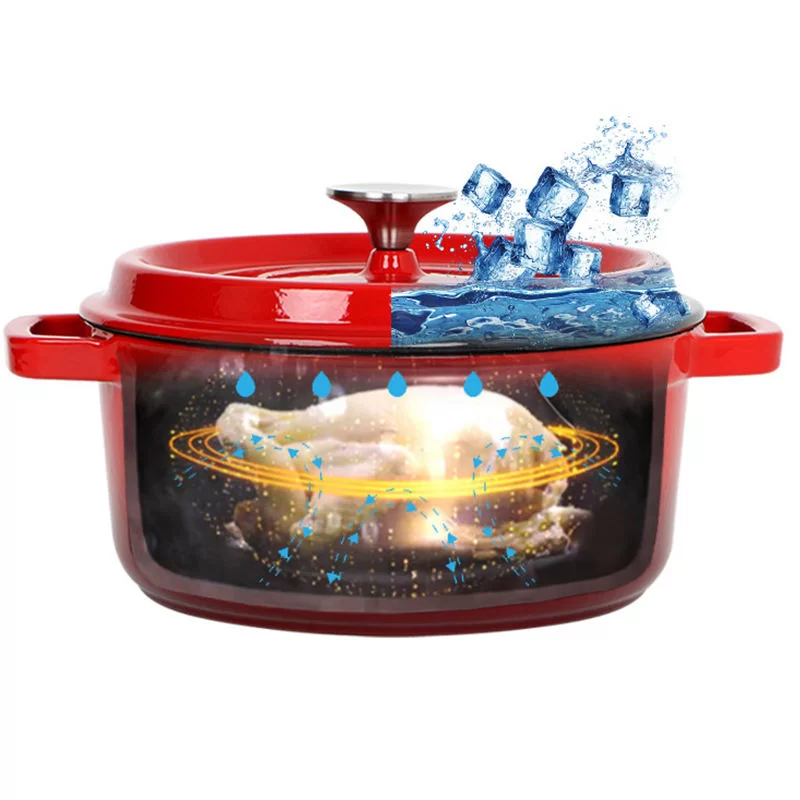
The humble cast iron camping pot, a staple in outdoor cooking for generations, represents far more than just a vessel for heating food. It’s a testament to durability, versatility, and the enduring appeal of simple, effective tools. From rugged backcountry expeditions to relaxed family campsites, the cast iron camping pot offers a unique cooking experience that connects us to both our culinary history and the natural world. Its ability to withstand extreme temperatures, distribute heat evenly, and retain flavor makes it an indispensable companion for any outdoor enthusiast.
The increasing popularity of outdoor recreation and ‘glamping’ fuels the demand for reliable and high-quality cooking equipment. Consequently, the cast iron camping pot market is experiencing steady growth, driven by consumers seeking authentic and sustainable experiences. This resurgence isn’t simply about nostalgia; modern innovations in cast iron manufacturing are addressing past limitations like weight and maintenance, making these pots more accessible and user-friendly than ever before.
Understanding the benefits of a cast iron camping pot – from its exceptional heat retention to its long lifespan – is crucial for anyone planning to cook outdoors. This guide will explore the core aspects of these versatile pots, highlighting their applications, advantages, and future trends within the context of outdoor cooking and adventure.
The Enduring Legacy of Cast Iron Camping Pots
The history of cast iron camping pots is intertwined with the evolution of outdoor cooking itself. For centuries, cast iron has been favored by explorers, pioneers, and adventurers for its ability to withstand the rigors of the wilderness. Its presence in historical records spanning multiple continents demonstrates its universal appeal and practical benefits. The inherent durability of cast iron meant pots could endure repeated use and harsh conditions, making them ideal for extended journeys.
Modern cast iron camping pots build upon this legacy, incorporating both traditional craftsmanship and contemporary design elements. While the basic principles remain unchanged – providing exceptional heat retention and even cooking – advancements in manufacturing techniques have resulted in lighter, more refined products that cater to the needs of today's outdoor enthusiasts.
Defining the Cast Iron Camping Pot
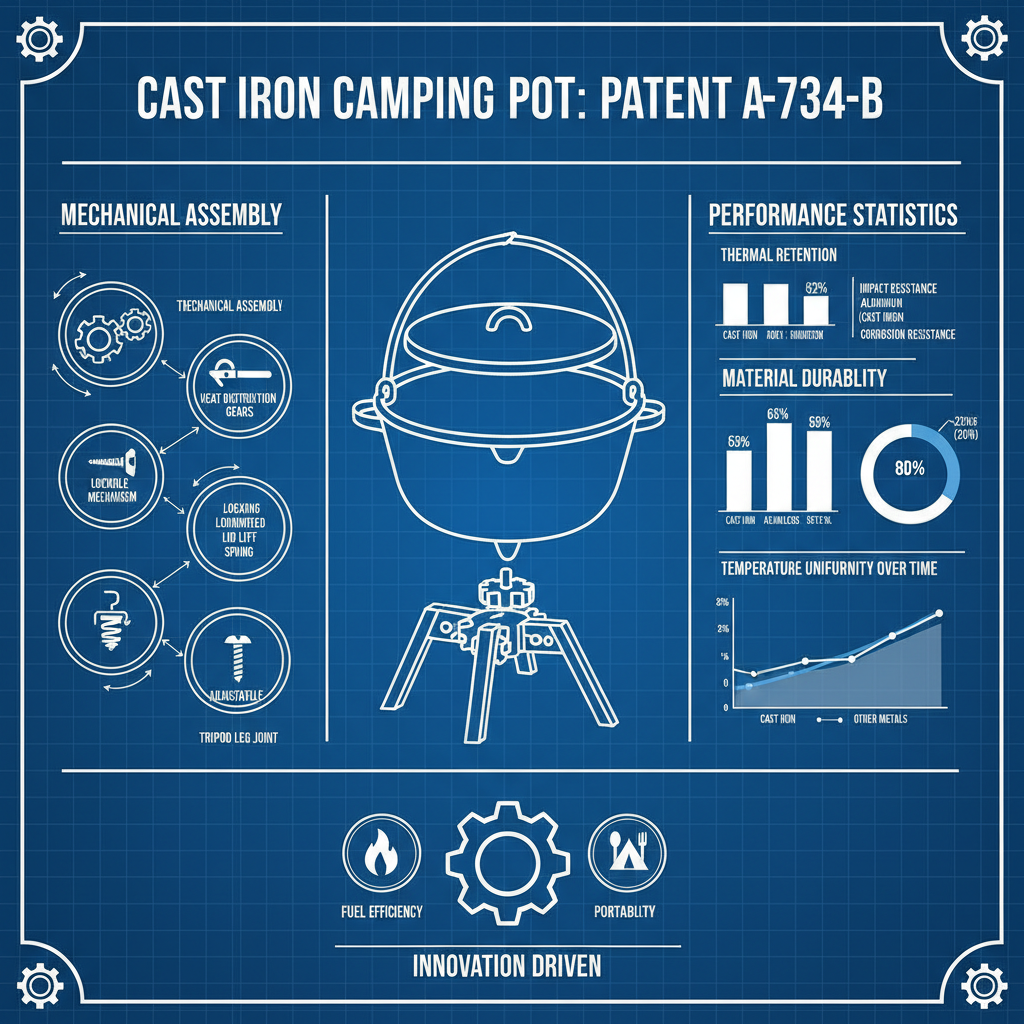
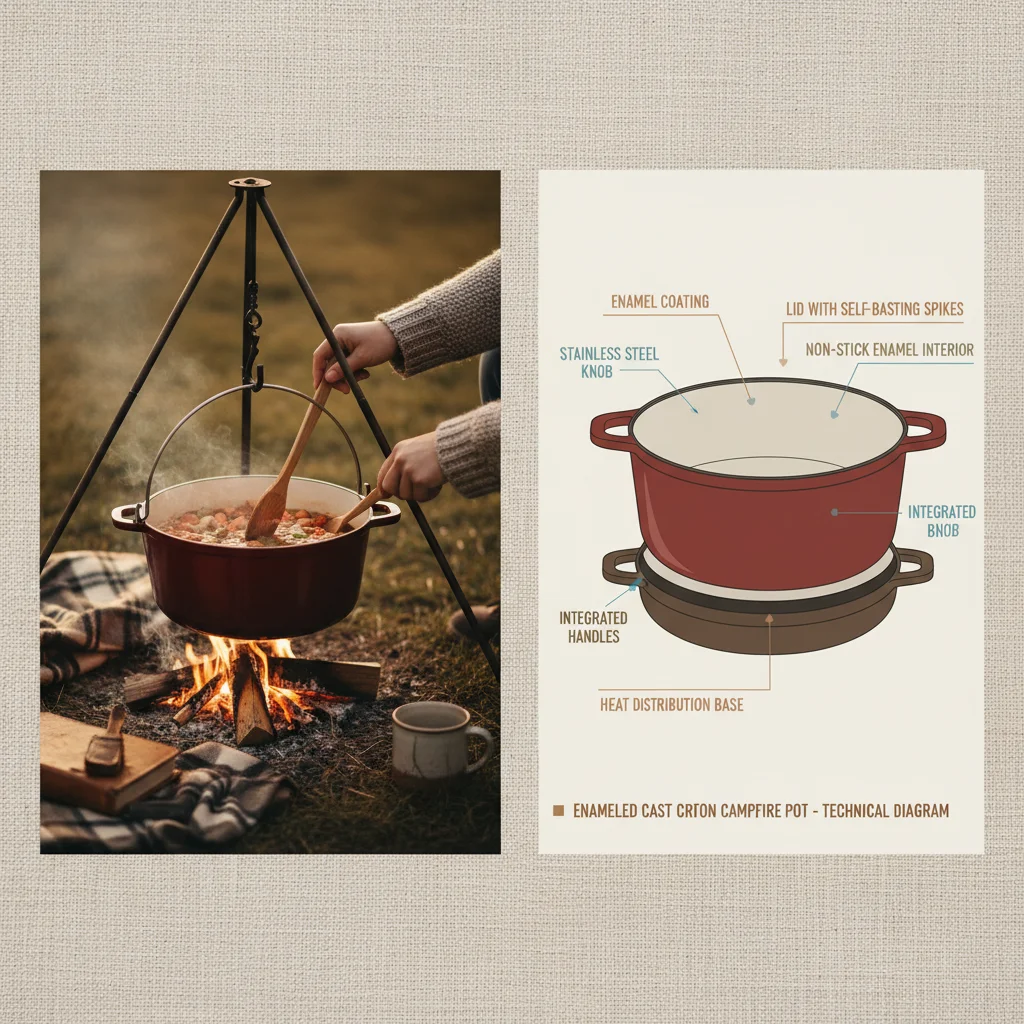
A cast iron camping pot is a cooking vessel constructed primarily from cast iron – an alloy of iron, carbon, and silicon. Typically, these pots feature a heavy base and walls, which contribute to their excellent heat retention and distribution capabilities. They are often designed with features like bail handles for easy suspension over a campfire, and tight-fitting lids to trap heat and moisture. Crucially, a cast iron camping pot is designed for open-fire cooking, although it can also be used on stoves with appropriate heat diffusers.
Unlike their stainless steel or aluminum counterparts, cast iron pots require proper seasoning – a process of coating the surface with oil and baking it at high temperatures – to create a natural, non-stick patina. This seasoning not only prevents food from sticking but also protects the iron from rust. While this requires some initial effort, a well-seasoned cast iron camping pot becomes increasingly non-stick and easier to clean with each use.
The connection to modern needs is evident in the growing demand for self-sufficient outdoor living. As more people seek to disconnect from technology and reconnect with nature, the ability to prepare wholesome, flavorful meals using simple, reliable equipment like a cast iron camping pot becomes increasingly important.
Core Characteristics of a Quality Cast Iron Camping Pot
Several key characteristics define a high-quality cast iron camping pot. First and foremost is its durability; a properly cared-for pot can last for generations, becoming a cherished heirloom. Second, its exceptional heat retention ensures food cooks evenly and stays warm for extended periods, vital for outdoor settings where consistent heat sources can be challenging to maintain.
Another crucial aspect is its versatility. A cast iron camping pot isn’t limited to simple boiling or simmering. It can be used for frying, baking, stewing, and even baking bread directly over embers. Its ability to seamlessly transition between different cooking methods makes it a valuable asset for any outdoor cook. Furthermore, the natural non-stick properties developed through seasoning reduce the need for excessive oil or cleaning agents.
Finally, the weight of a cast iron camping pot, while sometimes perceived as a drawback, actually contributes to its stability and heat retention. A heavier pot is less likely to tip over on uneven ground and will maintain a consistent temperature even in windy conditions. Careful consideration of pot size and design can help mitigate weight concerns without compromising performance.
Practical Applications in Outdoor Cooking
The versatility of a cast iron camping pot lends itself to a wide range of outdoor cooking applications. From simple one-pot meals like chili or stew to more elaborate dishes like baked apples or cornbread, the possibilities are endless. Its ability to withstand high temperatures makes it ideal for searing meats directly over a campfire, creating a flavorful crust that enhances the overall taste.
Beyond traditional campfire cooking, cast iron camping pots can also be used effectively with portable stoves. While direct contact with some stoves may require a heat diffuser to prevent damage, the even heat distribution ensures consistent cooking results. They are a favorite among backpackers and hikers looking to prepare hot, nutritious meals after a long day on the trail.
Cast Iron Camping Pot Cooking Methods – User Ratings
Global Use and Rising Popularity
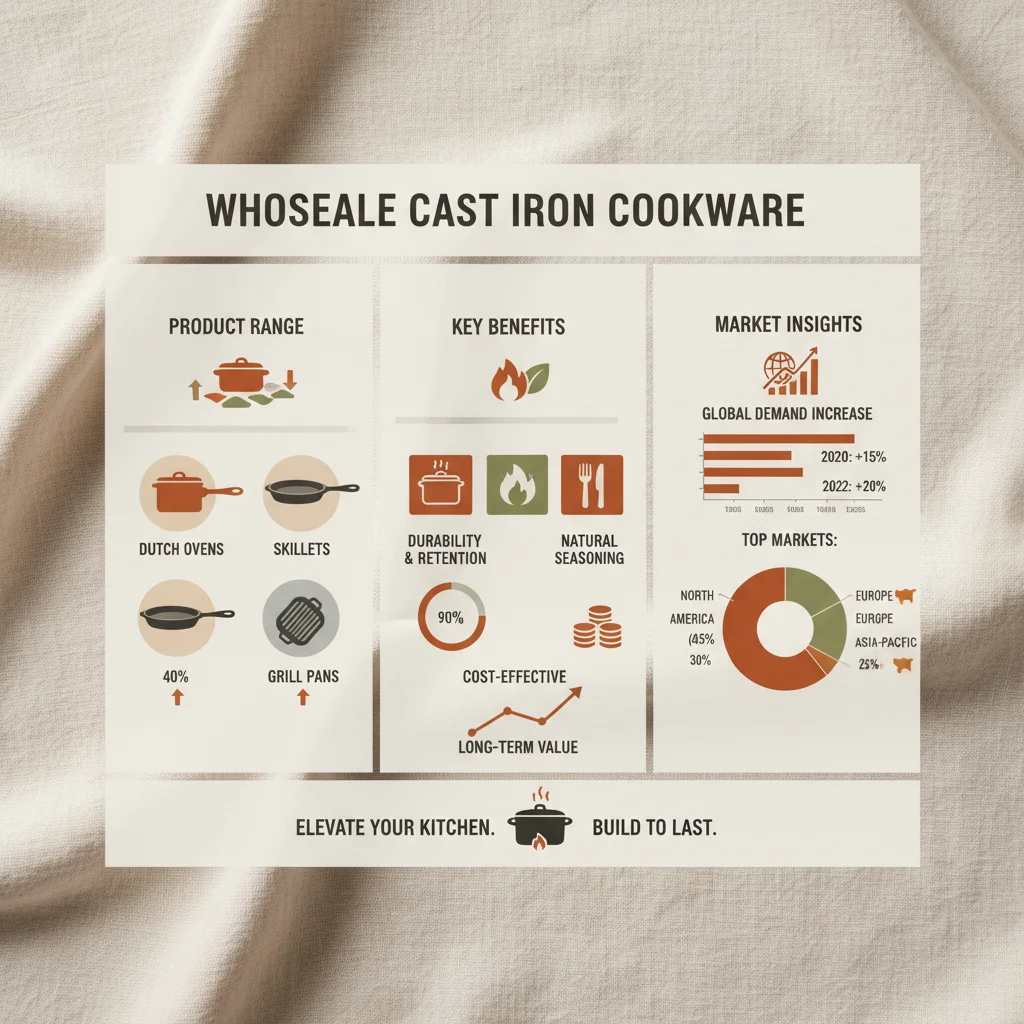
The appeal of the cast iron camping pot transcends geographical boundaries. It's a common sight in campgrounds across North America, Australia, and Europe, where its durability and versatility are highly valued. In South America, it's often used in remote areas where access to modern cooking facilities is limited.
Its rising popularity is driven by several factors, including a growing interest in outdoor adventures, a desire for more sustainable living, and a renewed appreciation for traditional cooking methods. Social media platforms and online cooking communities also play a significant role, showcasing the diverse ways in which cast iron camping pots can be used to create delicious and memorable meals.
Long-Term Value and Sustainable Benefits
Investing in a cast iron camping pot is a purchase that pays dividends over time. Its exceptional durability means it’s likely to outlast many other cooking tools, reducing the need for frequent replacements. This contributes to a more sustainable lifestyle by minimizing waste.
Furthermore, cast iron is a recyclable material, ensuring that even at the end of its life, the pot can be repurposed. The ability to cook directly over a campfire or portable stove reduces reliance on electricity or gas, making it an environmentally friendly option for outdoor cooking. The emotional value – the memories created around a shared meal prepared in a well-loved cast iron pot – adds an intangible benefit that enhances the overall experience.
Future Trends and Innovations
While the core principles of cast iron camping pots remain unchanged, several exciting trends are shaping the future of this enduring cooking tool. Manufacturers are exploring lighter-weight alloys and innovative designs to improve portability without sacrificing performance. Pre-seasoned pots are becoming increasingly common, reducing the initial effort required to prepare the surface for cooking.
Additionally, advancements in coating technologies are being investigated to enhance the non-stick properties of cast iron and simplify cleaning. The integration of smart technologies, such as temperature sensors and Bluetooth connectivity, could provide cooks with real-time feedback and precise control over the cooking process.
Key Performance Indicators of Cast Iron Camping Pots
| Pot Weight (lbs) |
Heat Retention Score (1-10) |
Seasoning Ease (1-10) |
Durability Rating (1-10) |
| 6.5 |
9.5 |
7.0 |
9.0 |
| 5.8 |
9.2 |
8.0 |
9.5 |
| 7.2 |
9.0 |
6.5 |
8.5 |
| 6.0 |
9.3 |
7.5 |
9.2 |
| 5.5 |
8.8 |
6.0 |
8.0 |
| 7.0 |
9.1 |
8.0 |
8.8 |
FAQS
Seasoning a cast iron camping pot involves coating the surface with a thin layer of oil (flaxseed, vegetable, or canola oil work well) and baking it in the oven at a high temperature (typically 400-450°F) for at least an hour. Repeat this process several times to build up a durable, non-stick patina. Proper seasoning is crucial for preventing rust and ensuring optimal cooking performance. Remember to apply the oil very thinly to avoid a sticky residue.
Avoid using harsh soaps or abrasive cleaners, as these can strip away the seasoning. Instead, rinse the pot with warm water and scrub gently with a soft sponge or brush. For stubborn food residue, you can simmer some water in the pot and scrape gently with a wooden spoon. Dry the pot thoroughly and apply a light coat of oil after each use to maintain the seasoning.
While technically possible, it’s generally not recommended to place a cast iron camping pot directly on a glass top stove. The weight of the pot can scratch or crack the surface. If you want to use it on a glass top, always use a heat diffuser to distribute the heat evenly and protect the stove.
For a family of four, a 8-10 inch cast iron camping pot is usually a good size. This provides enough capacity for cooking meals like chili, stew, or pasta without being too bulky or heavy to transport. Consider a 12-inch pot if you frequently cook larger meals or plan to prepare multiple dishes simultaneously.
Rust prevention is key with cast iron. Always dry the pot thoroughly after each use. Apply a light coating of oil to the surface to create a protective barrier. Store the pot in a dry place. If rust does appear, scrub it off with steel wool, re-season the pot, and take steps to prevent it from returning.
Yes! Manufacturers are increasingly producing thinner-walled cast iron pots and utilizing different iron alloys to reduce weight. Enameled cast iron is another option, which is often lighter than traditional cast iron. However, keep in mind that lighter-weight pots may not retain heat as effectively as heavier ones.
Conclusion
The cast iron camping pot is more than just a cooking utensil; it's a symbol of enduring quality, outdoor adventure, and sustainable living. Its remarkable durability, versatility, and ability to enhance the flavors of outdoor meals make it an indispensable companion for anyone who appreciates the simple pleasures of cooking in nature. From its historical roots to its modern innovations, the cast iron camping pot continues to inspire cooks and adventurers alike.
As we look to the future, continued innovation in materials, design, and technology promises to further enhance the performance and accessibility of these timeless cooking tools. By embracing sustainable practices and prioritizing quality craftsmanship, we can ensure that the legacy of the cast iron camping pot continues for generations to come. Explore our range of cast iron camping pots and start creating your own outdoor culinary adventures today!