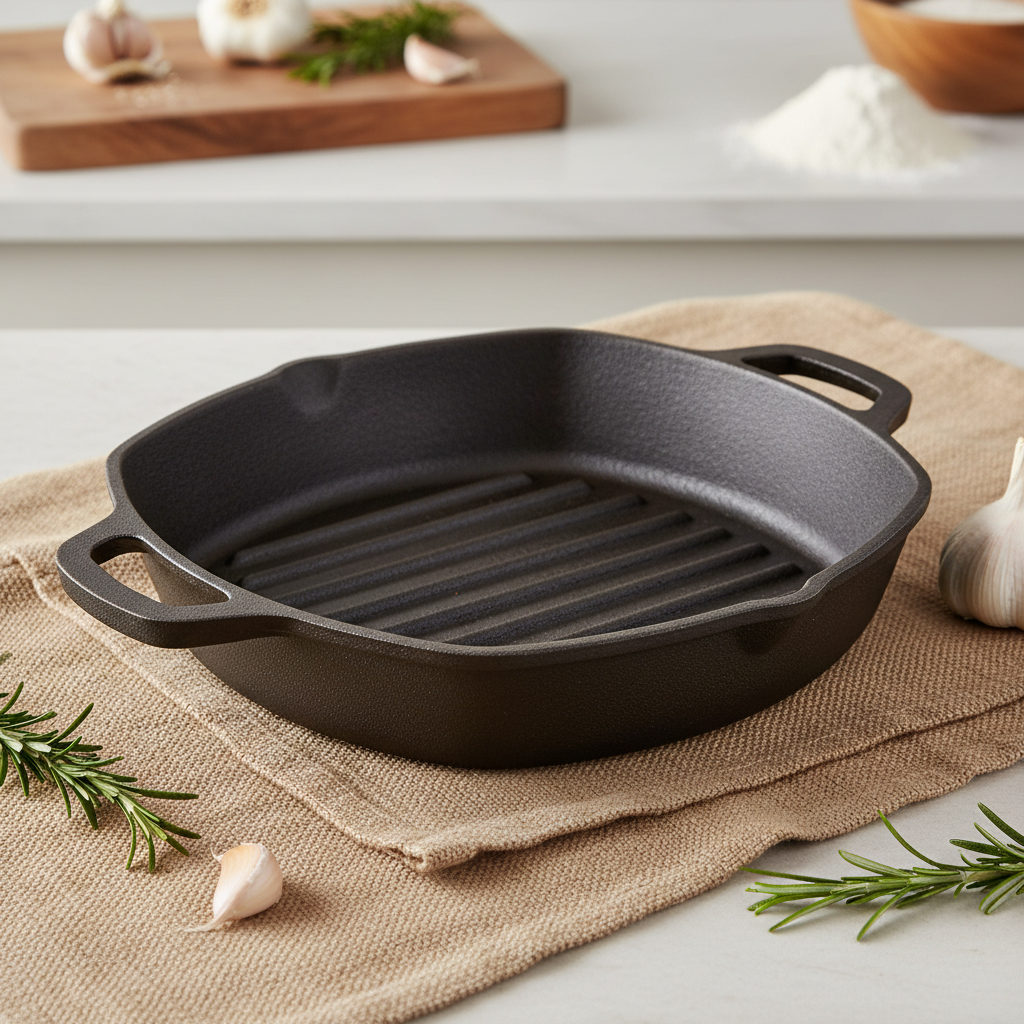
Choosing the Right High Quality Cast Iron Baking Pan for Superior Cooking
In the world of cookware, few materials offer the durability, versatility, and exceptional cooking performance of cast iron. A high quality cast iron baking pan is an investment that can last a lifetime, becoming a treasured heirloom passed down through generations. But with so many options available, how do you choose the right one? This guide will explore the benefits, types, care, and features of quality cast iron, helping you make an informed decision. Discover why a well-chosen cast iron pan is the cornerstone of any serious cook's kitchen.
The Benefits of Investing in Cast Iron
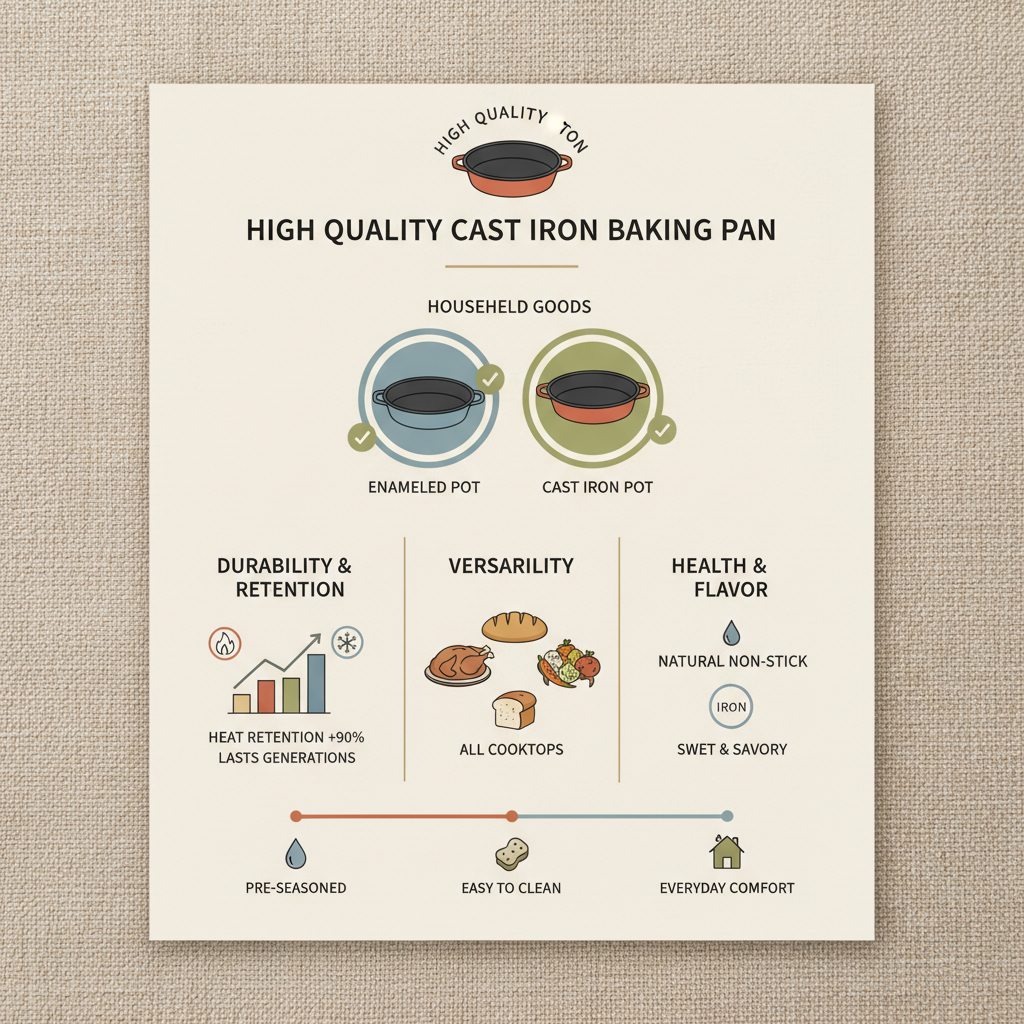
Cast iron cookware offers a unique set of benefits that other materials simply can't match. Its exceptional heat retention means consistent cooking temperatures, perfect for searing, baking, and slow-cooking. Cast iron pans are incredibly durable and, with proper care, can last for generations. They're versatile – moving seamlessly from stovetop to oven to campfire. Moreover, cast iron naturally becomes non-stick with seasoning, reducing the need for excessive oils. Finally, it adds a small amount of iron to your food, which can be beneficial for some individuals.
Key Advantages: Exceptional heat retention, incredible durability, versatile cooking applications, naturally non-stick with seasoning, and potential iron enrichment.
Understanding the Different Types of Cast Iron Baking Pans
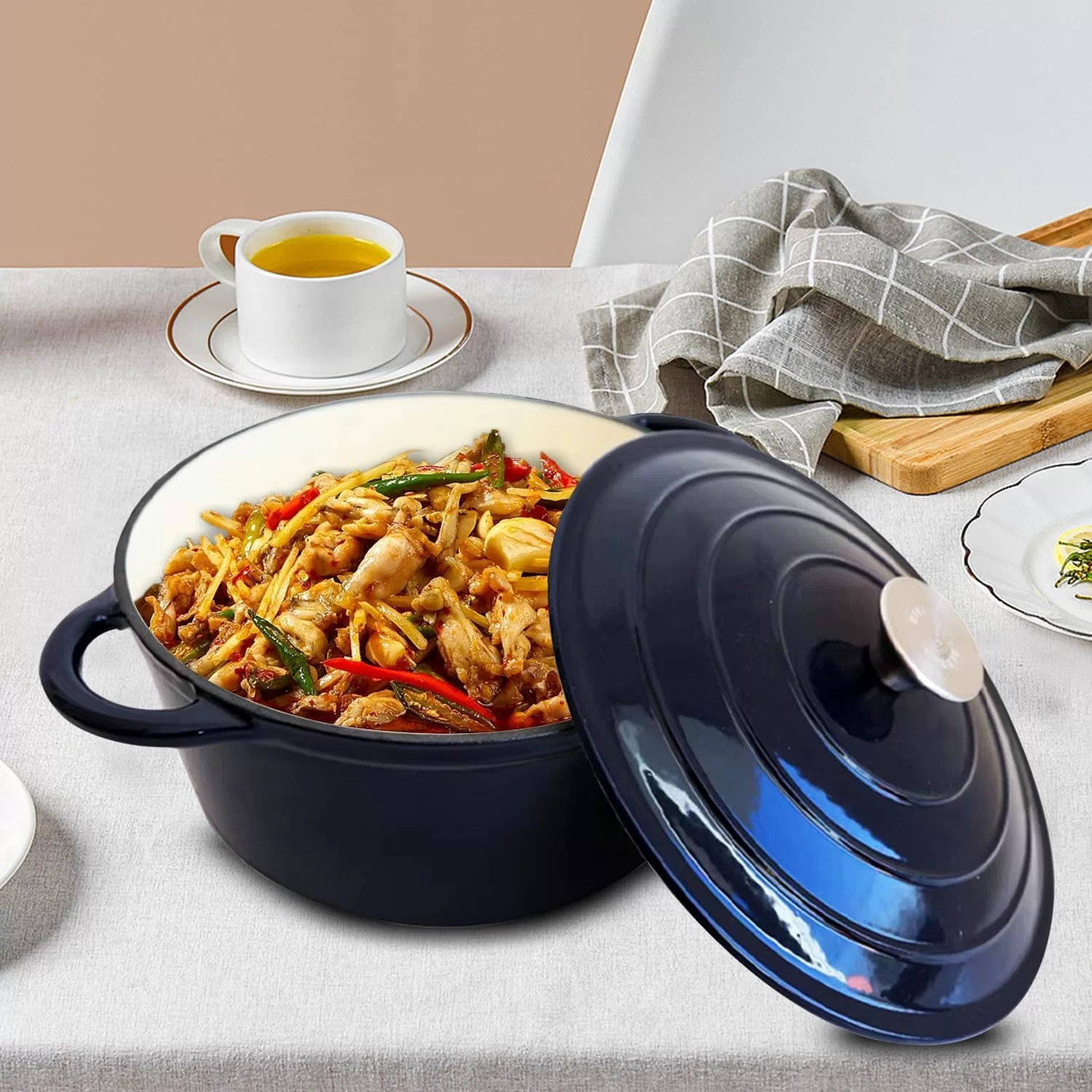
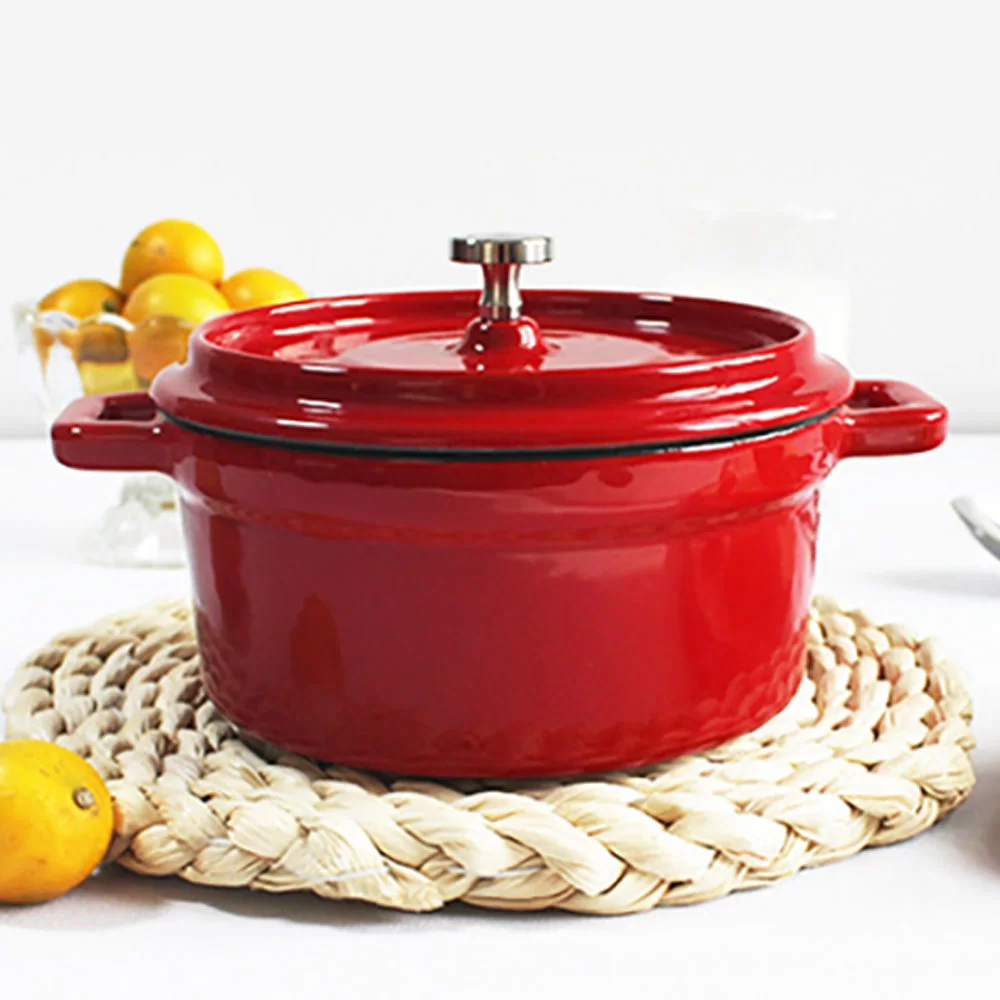
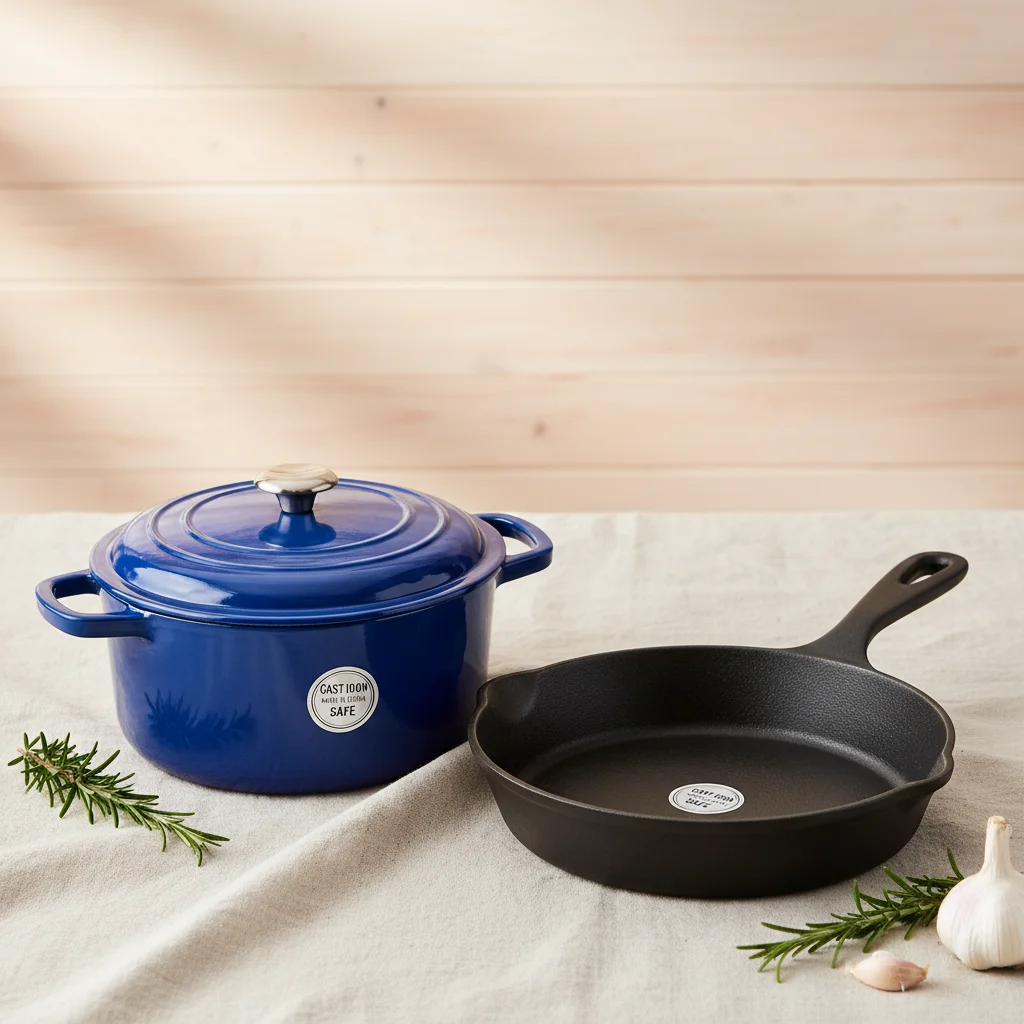
Not all cast iron is created equal. There are three primary types: traditional (or uncoated) cast iron, enameled cast iron, and seasoned cast iron. Traditional cast iron requires regular seasoning to maintain its non-stick properties and prevent rust. Enameled cast iron, coated with porcelain enamel, doesn’t require seasoning and is easier to clean, but can be more expensive and prone to chipping if mishandled. Seasoned cast iron, sold pre-seasoned, offers a convenient starting point, reducing the initial maintenance needed.
Cast Iron Types at a Glance:
• Traditional: Requires regular seasoning, most affordable.
• Enameled: No seasoning needed, easier to clean, more expensive.
• Seasoned: Pre-seasoned for convenience, offers a good balance.
Comparing Cast Iron to Other Baking Pan Materials
When choosing a baking pan, it's helpful to compare cast iron to other popular materials. Stainless steel is durable but doesn't retain heat as well. Glass is convenient for monitoring baking progress but can shatter with temperature shock. Non-stick pans are easy to clean but have a limited lifespan and can release harmful chemicals when overheated. A high quality cast iron baking pan stands out for its combination of heat retention, durability, and natural non-stick properties, making it a superior choice for many baking applications.
| Material |
Heat Retention |
Durability |
Non-Stick |
| Cast Iron |
Excellent |
Exceptional |
Excellent (with seasoning) |
| Stainless Steel |
Good |
Very Good |
Poor (unless clad) |
| Glass |
Fair |
Fair |
Poor |
| Non-Stick |
Fair |
Poor |
Excellent (initially) |
Caring for Your Cast Iron Baking Pan
Proper care is essential to maintain the longevity and performance of your cast iron pan. Avoid using soap, as it can strip the seasoning. Instead, clean with warm water and a soft brush or scraper. Dry thoroughly immediately after washing to prevent rust. Lightly oil the pan after drying to maintain the seasoning. Avoid placing a hot pan in cold water, as this can cause it to crack. With a little attention, your cast iron pan will provide years of reliable service. Check out JSY Cast Iron for detailed care instructions and helpful resources.
Finding the Perfect Cast Iron Pan at JSY Cast Iron
JSY Cast Iron offers a wide selection of high quality cast iron baking pans, including skillets, Dutch ovens, and specialty baking dishes. We prioritize quality materials and craftsmanship, ensuring our pans deliver exceptional performance and durability. Explore our collection today and discover the perfect cast iron companion for your culinary adventures. We offer various sizes and styles to suit every cooking need.
Conclusion: Embrace the Tradition of Cast Iron Cooking
Investing in a high quality cast iron baking pan is more than just buying cookware; it's embracing a culinary tradition. With its exceptional performance, durability, and versatility, cast iron is a worthwhile investment for any cook. Explore the possibilities and experience the difference!
Frequently Asked Questions (FAQs)
Can I use metal utensils on my cast iron pan?
While you can use metal utensils on cast iron, it's generally recommended to use wooden or silicone utensils to protect the seasoning. Metal utensils can scratch the seasoning layer, potentially leading to rust. However, a well-seasoned pan can withstand occasional use of metal utensils without significant damage. Avoid using sharp or pointed metal tools that could gouge the surface. Regular re-seasoning will help maintain the protective layer.
How do I season a cast iron pan?
Seasoning a cast iron pan involves applying a thin layer of oil and baking it at a high temperature to create a polymerized coating. First, clean the pan thoroughly. Then, apply a very thin coat of oil (flaxseed, canola, or vegetable oil work well) to all surfaces. Wipe off any excess oil – the pan should appear almost dry. Bake upside down in a preheated oven at 400-450°F (200-230°C) for one hour. Let cool completely. Repeat this process several times to build up a strong seasoning layer.
What's the best way to prevent rust on my cast iron pan?
The key to preventing rust is to keep the pan dry. After washing, dry it immediately and thoroughly with a towel. Then, apply a very thin coat of oil to all surfaces. Heating the pan on the stovetop for a few minutes after oiling can help ensure it's completely dry. Store the pan in a dry place. If rust does appear, scrub it off with steel wool, wash, dry, and re-season the pan.
Can I put my cast iron pan in the dishwasher?
No, it is strongly discouraged to put cast iron pans in the dishwasher. The harsh detergents and prolonged exposure to water can strip the seasoning and cause rust. Always hand wash cast iron pans with warm water and a soft brush. Proper care will ensure your pan lasts for generations.