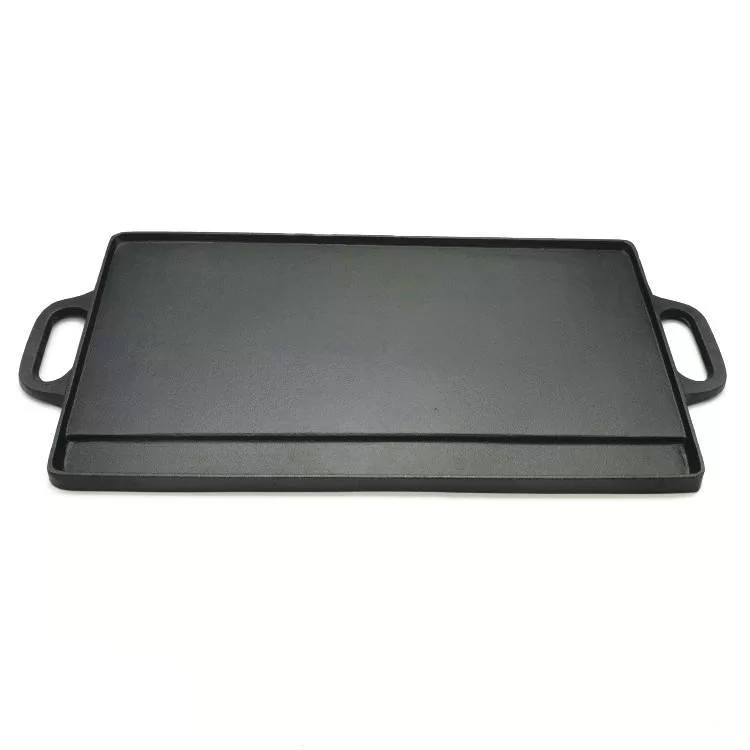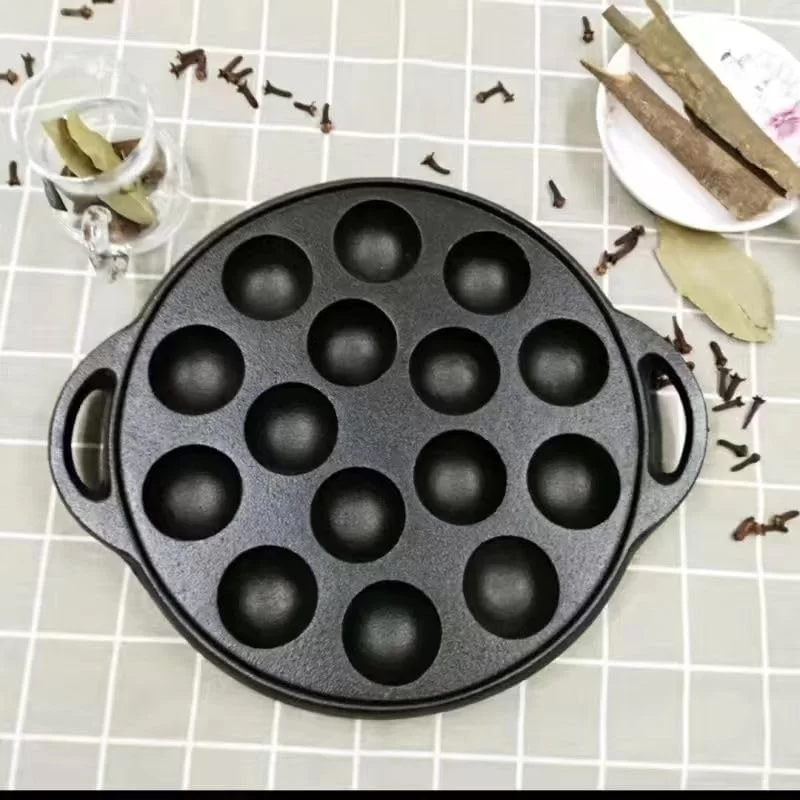
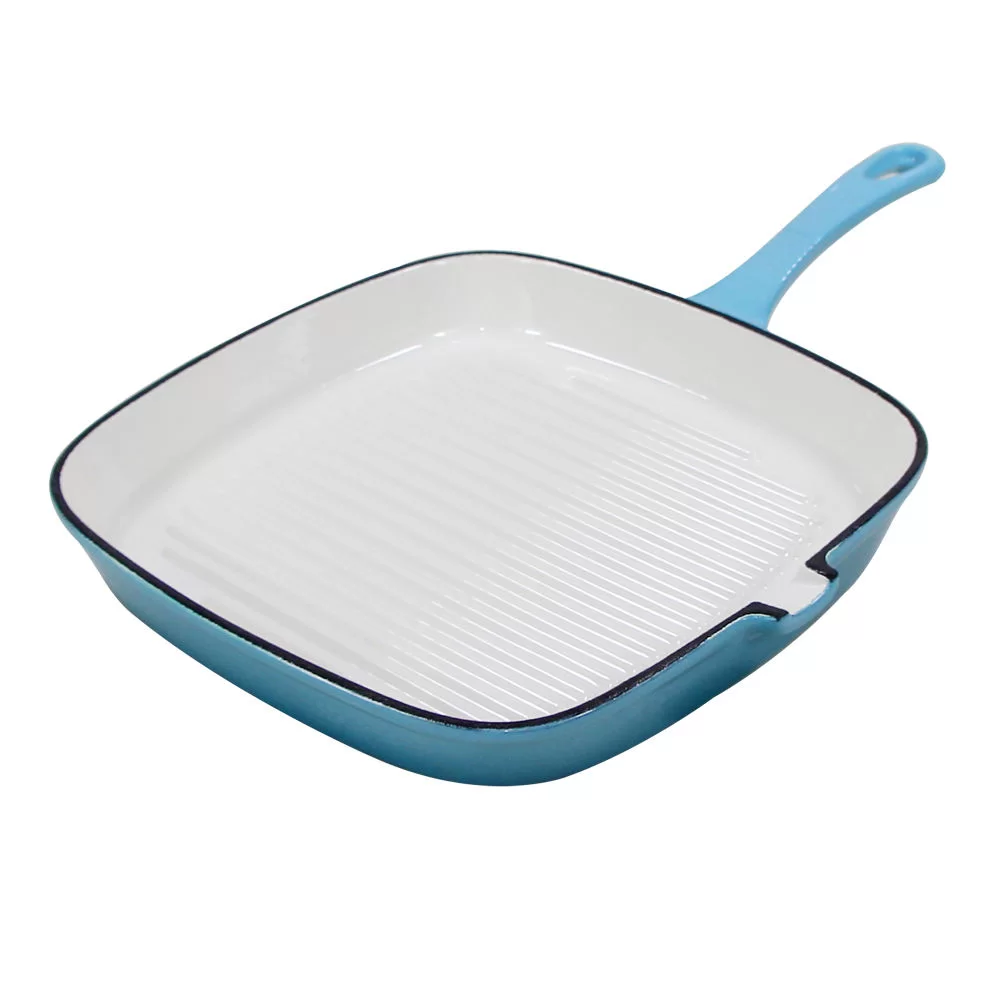
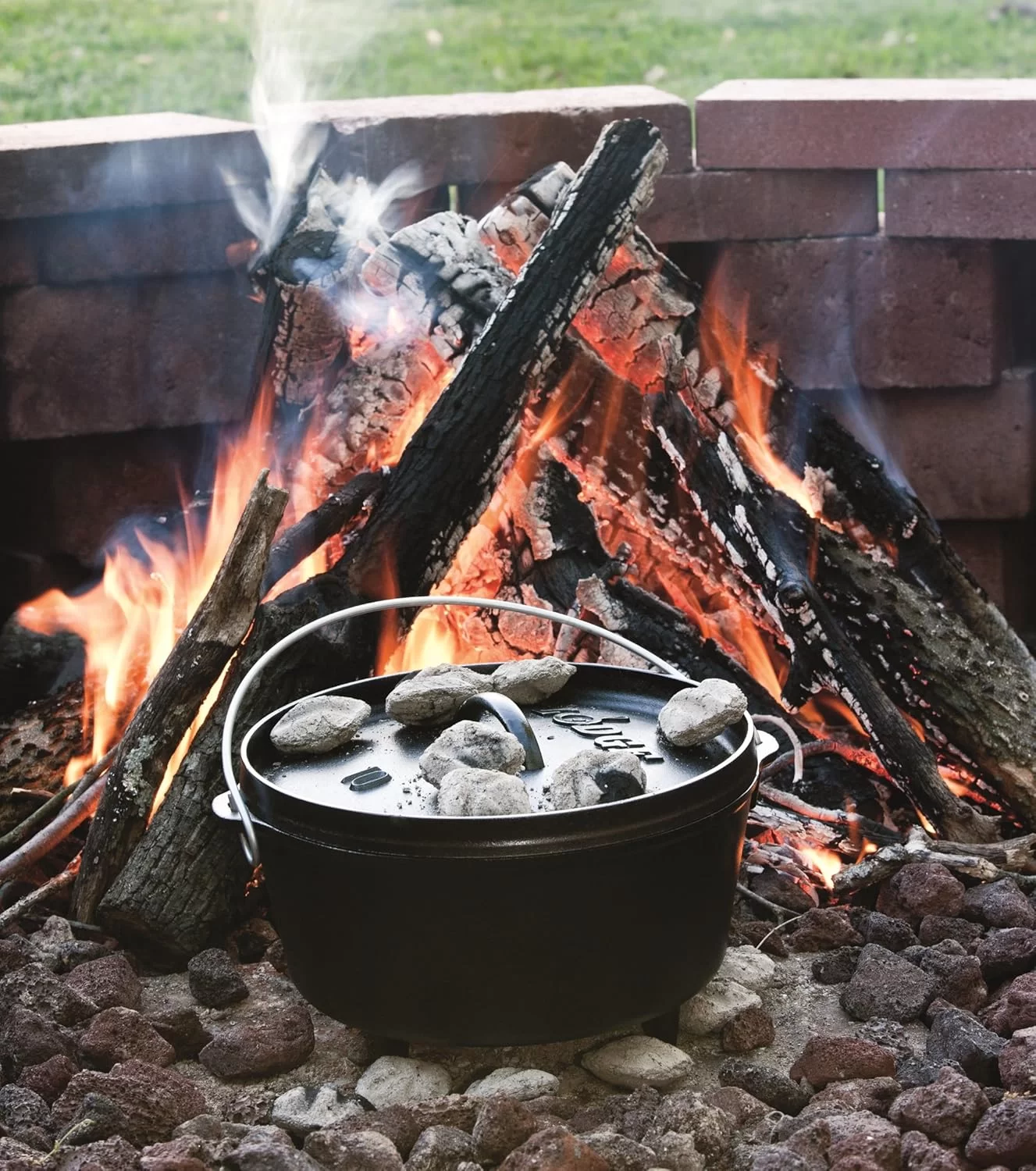
Premium porcelain enamel skillet Solutions for Israel Market

Premium porcelain enamel skillet Solutions for Israel Market

Integrating advanced metallurgical precision with the culinary traditions of the Middle East to deliver unmatched heat retention and durability.

Premium porcelain enamel skillet Solutions for Israel Market

Our high-performance enameled cast iron series is specifically engineered to withstand diverse cooking styles, from slow-simmered stews to high-heat searing, ensuring professional results in every Israeli kitchen.

Cast Iron Cookware Landscape in Israel

Analyzing the intersection of Mediterranean culinary demands and metal manufacturing standards.

In the Israeli market, the demand for cookware is heavily influenced by a fusion of Mediterranean and Middle Eastern diets, which require tools capable of handling both high-temperature frying and long-duration roasting. The prevalence of high-humidity coastal climates in cities like Tel Aviv makes rust-resistant options, such as the white enamel cast iron skillet, increasingly popular due to their protective glass-like coating.

Economically, there is a growing shift toward "slow living" and home-cooked gourmet meals, leading to a surge in the adoption of heavy-duty cookware. The modern Israeli consumer values sustainability and longevity, moving away from disposable non-stick pans toward the lifetime durability offered by a frying pan cast iron enameled, which combines the heat properties of iron with the ease of cleaning provided by enamel.

Furthermore, the specific preference for smaller urban kitchen spaces in Israel has driven the demand for versatile, multi-purpose tools. This has resulted in a significant market increase for the small enameled cast iron skillet, which serves as both a stovetop pan and an oven-safe baking dish for side dishes and appetizers.
Evolution of Enameled Cast Iron Technology

From traditional heavy smelting to precision porcelain coating.

Market Development History

Historically, cast iron in the region was raw and required extensive seasoning, which often clashed with the acidic ingredients common in Israeli cuisine. Between 1990 and 2010, the introduction of industrial vitreous enamel transformed the industry, allowing for a non-reactive surface that preserved the flavor of citrus and tomato-based dishes.

From 2010 to 2020, the focus shifted toward thermal efficiency. The development of the deep enameled cast iron skillet allowed users to transition from searing to braising in a single vessel, reducing the need for multiple pots and catering to the efficient kitchen workflows of modern households.

In the last three years, metallurgical advancements have reduced the overall weight of the iron without compromising heat distribution, while the enamel bonding process has become more resilient to thermal shock, significantly reducing the risk of chipping during rapid temperature changes.

Future Development Trends

Eco-Friendly Smelting Processes

The industry is moving toward green foundry practices, utilizing recycled scrap iron and low-emission furnaces to meet stringent environmental standards in Asia and the Middle East.

Induction-Optimized Bases

With the rapid electrification of kitchens in Israel, the next generation of cookware will feature precision-milled bases to maximize energy transfer for induction cooktops.

Smart Coating Integration

Future enamel coatings are expected to incorporate nano-ceramic additives to further enhance non-stick properties while remaining 100% PFOA-free and chemically inert.

Industry Trends and Future Outlook

Strategic forecasting for the metal cookware sector in the Israeli market.

Material Weight Optimization
Reducing the bulk of cast iron through alloy refinement to make professional cookware more accessible for home users.
Hyper-Durable Glazing
Implementing multi-layer porcelain fusing to eliminate surface scratching and extend the lifespan of the pan.
Customized Colorways
Expanding aesthetic options to align with modern Israeli interior design trends in high-end kitchens.
Precision Heat Mapping
Using CAD simulation to eliminate hot spots, ensuring perfectly even cooking across the entire surface.

Industry Outlook

Based on Google search trend data, there is a marked increase in queries regarding "non-toxic cookware" and "lifetime kitchenware" within the Israel region. This indicates a pivot toward health-conscious consumption, where the chemical-free nature of porcelain enamel becomes a primary selling point.

Over the next 3-5 years, we expect the market to move toward a hybrid model where high-capacity cast iron is paired with smart kitchen sensors, allowing for precise temperature control that prevents enamel damage and optimizes the cooking of traditional slow-cooked dishes.

Localized Application Scenarios in Israel

Real-world usage of our enameled cast iron series in diverse culinary settings.

1. Traditional Shabbat Slow-Cooking

Utilizing the deep enameled cast iron skillet for slow-braised meats and stews that remain warm and moist throughout the Shabbat meal, leveraging the iron's superior thermal mass.

2. Gourmet Mediterranean Brunch

Using a small enameled cast iron skillet to bake individual Shakshuka portions, moving seamlessly from the stove to the dining table for a professional presentation.

3. High-Heat Searing for Steaks

Applying the frying pan cast iron enameled for high-temperature searing of proteins, ensuring a perfect Maillard reaction while the enamel prevents the surface from reacting with marinades.

4. Coastal Humidity Storage

Implementing the white enamel cast iron skillet in Tel Aviv kitchens to eliminate the worry of oxidation and rust caused by salt-heavy sea air.

5. Artisan Bread and Flatbreads

Using the porcelain enamel skillet as a mini-oven to achieve a crisp crust on traditional flatbreads, mimicking the heat of a stone oven.

Brand Story

Global Development Journey of Ningjin County Jinshengyuan Casting Co., Ltd.

Founding and Core Expertise

Established with a vision to master the art of metallurgy, we began by solving the fundamental problem of cast iron porosity, ensuring a denser, more durable base for all our products.

Enamel Technology Breakthrough

We pioneered a high-temperature fusing process that bonds porcelain enamel to iron at a molecular level, eliminating the common pain point of coating delamination.

Global Quality Standardization

By adopting international food-grade certifications, we expanded our reach to Asia and Europe, ensuring every pan meets rigorous health and safety benchmarks.

Market Expansion into Israel

Recognizing the unique needs of the Middle Eastern market, we customized our product line to handle high-acid ingredients and diverse temperature fluctuations.

Vision for Sustainable Cooking

Today, we strive to replace short-lived non-stick cookware with lifetime cast iron solutions, promoting a zero-waste lifestyle in kitchens worldwide.

Comprehensive Product Portfolio for Israel

A curated selection of professional-grade enameled cast iron designed for longevity and versatility.

Common Questions from Our Israeli Clients

Expert answers to technical and usage queries regarding enameled cast iron.

How to clean a deep enameled cast iron skillet without damaging the coating?

Use warm soapy water and a soft sponge. Avoid steel wool or abrasive scrubbers, as these can scratch the porcelain surface. For stubborn food, soak the pan for 15 minutes before gently wiping.

Is a white enamel cast iron skillet prone to staining from tomato sauces?

Our high-grade porcelain enamel is non-porous and highly resistant to staining. However, we recommend cleaning the pan shortly after cooking acidic foods to keep the white surface pristine.

Can I use a small enameled cast iron skillet on a glass induction cooktop?

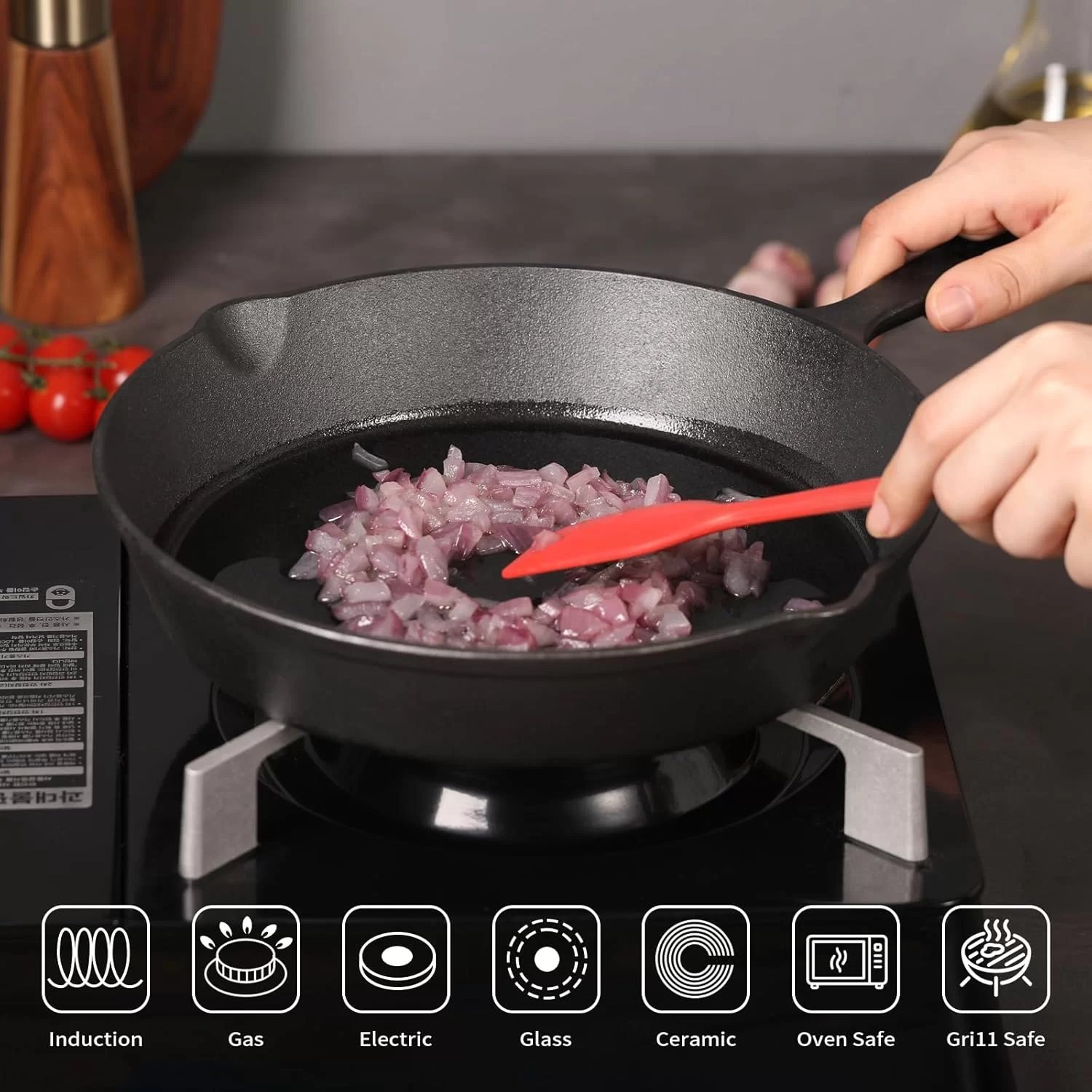
Yes, our skillets feature a smooth, flat base specifically designed to be compatible with induction, gas, and electric stoves without scratching the glass surface.

Does a frying pan cast iron enameled require seasoning like raw cast iron?

No, the enamel coating acts as a permanent barrier, eliminating the need for seasoning. You can use it immediately out of the box without any oil-curing process.

What is the maximum temperature for a porcelain enamel skillet in the oven?

Our products are typically oven-safe up to 500°F (260°C). We recommend avoiding sudden temperature shocks, such as placing a hot pan directly into cold water.

Why choose enameled cast iron over stainless steel for Middle Eastern stews?

Cast iron provides far superior heat retention and distribution, preventing hot spots and ensuring a slow, even simmer that is essential for complex stews and braises.

Connect With Our Metallurgy Experts

Looking for custom manufacturing solutions for your cookware brand in Israel? We provide OEM and ODM services tailored to local market standards.

Contact Us Now

If you are interested in our products, you can choose to leave your information here, and we will be in touch with you shortly.