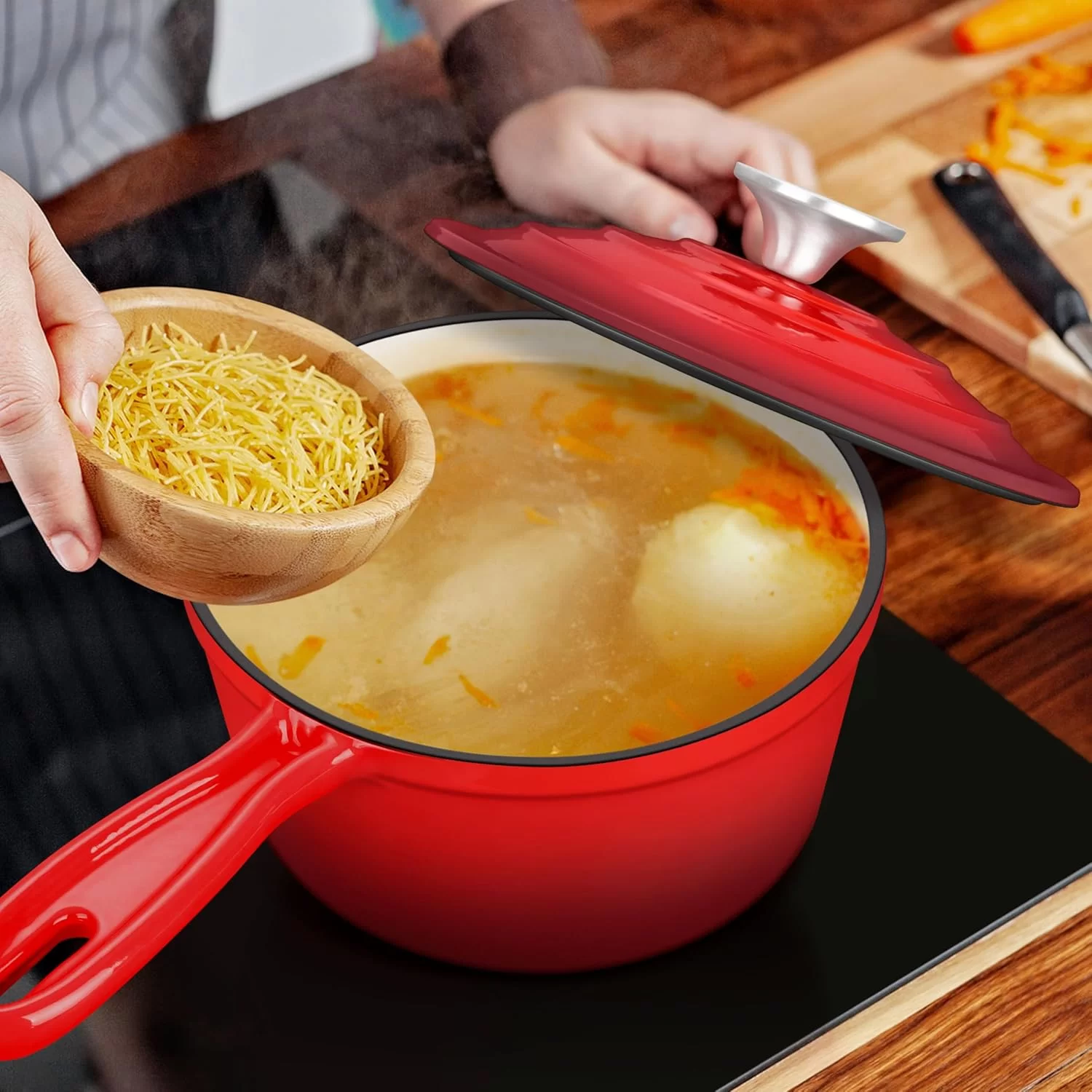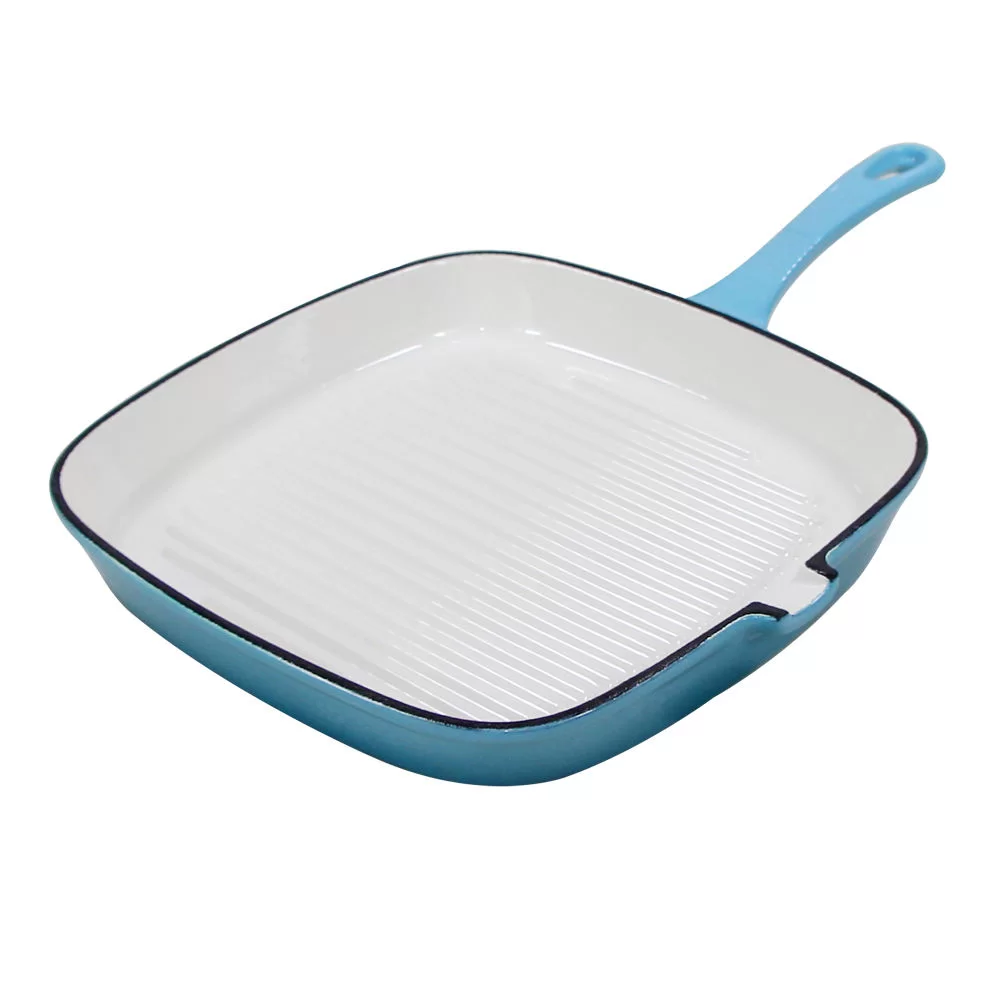
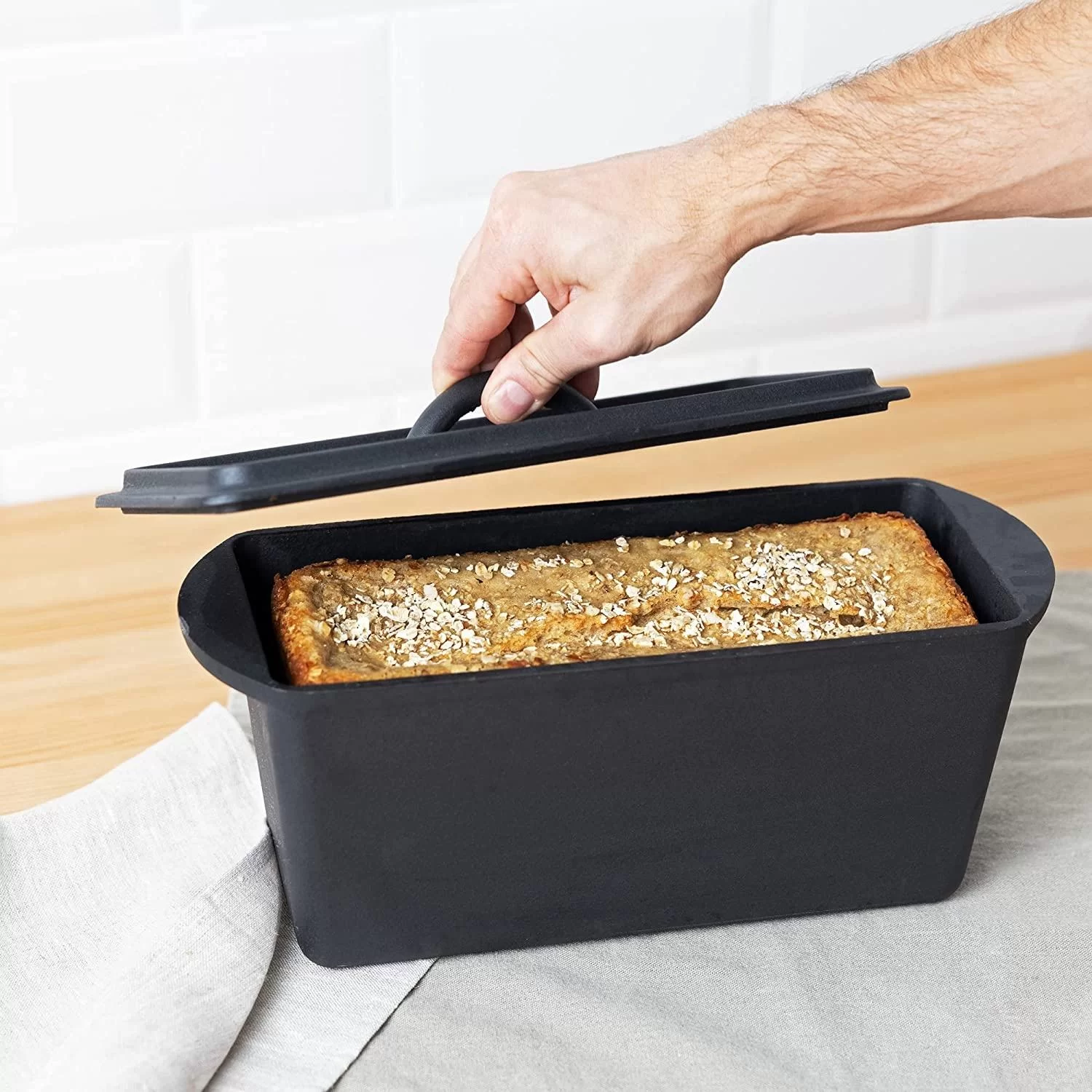
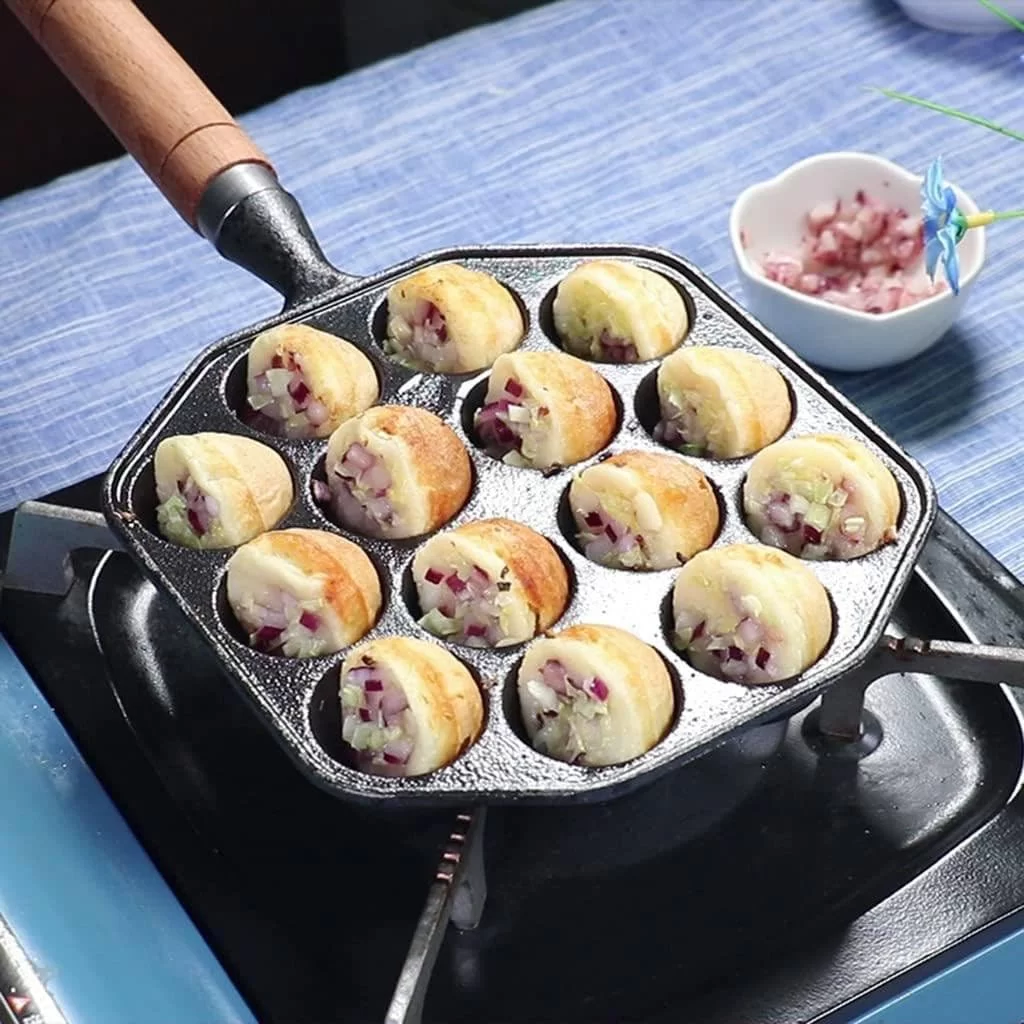
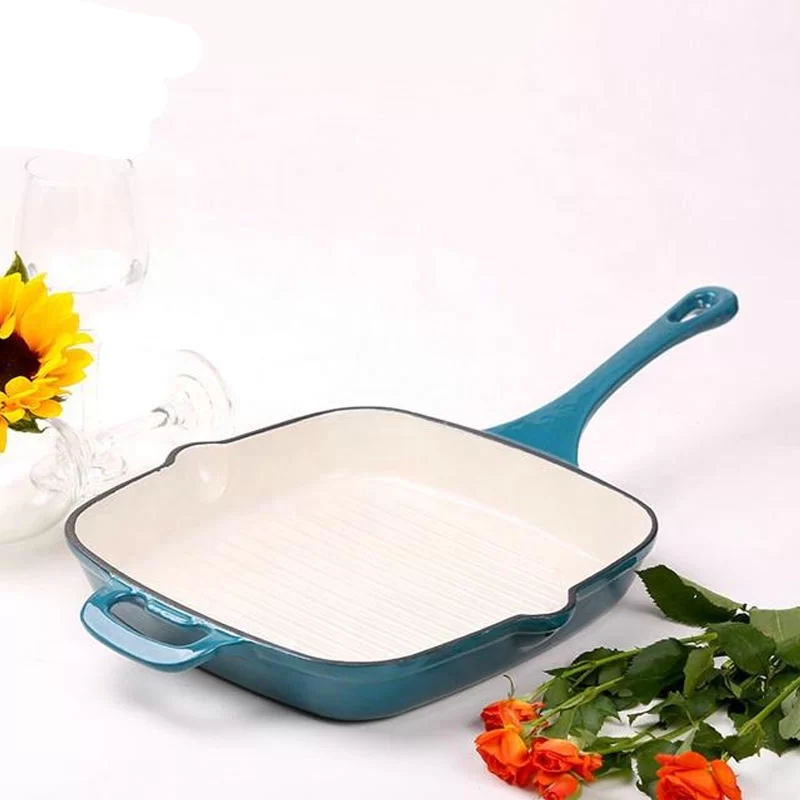
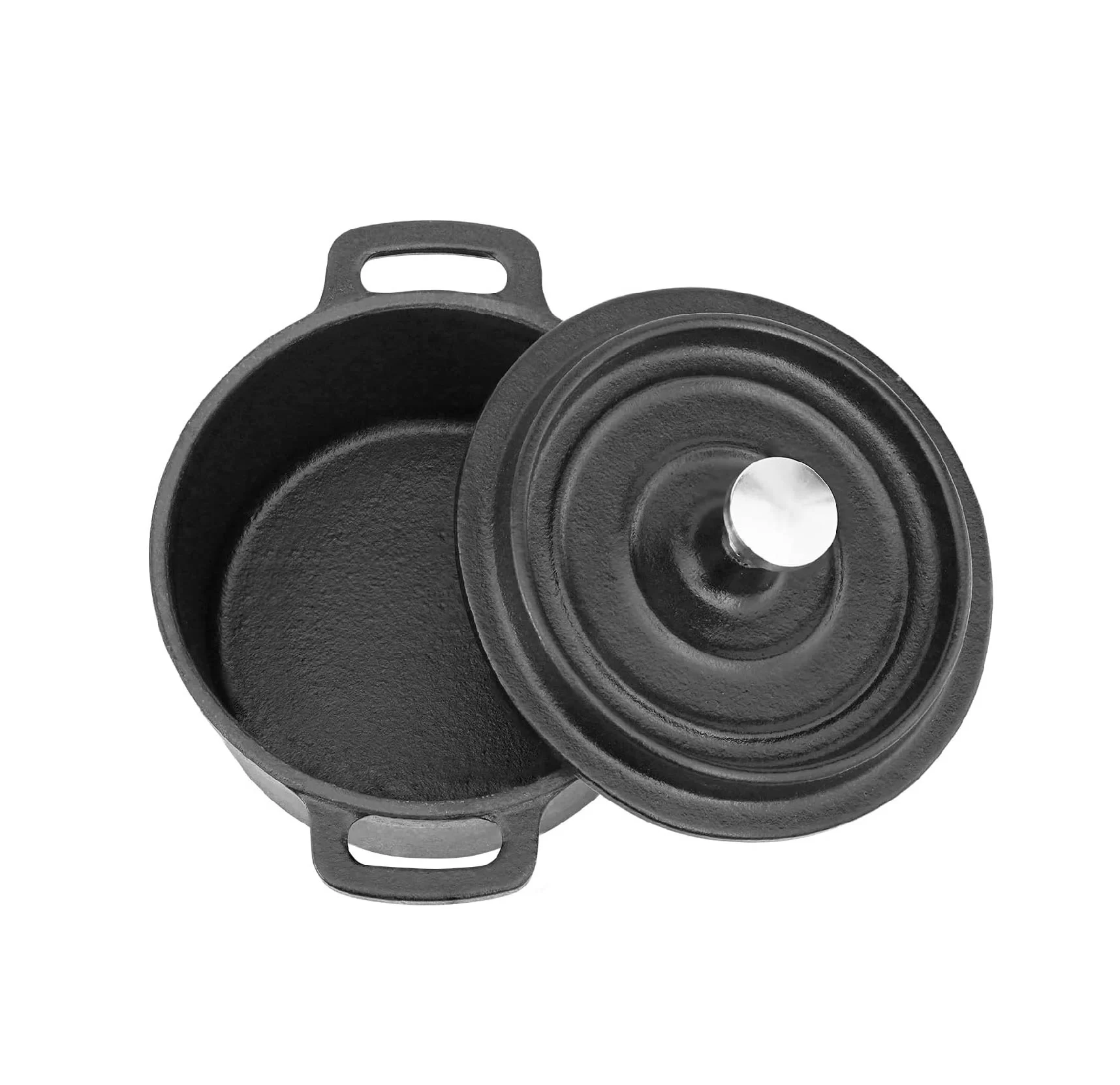
Premium Culinary Solutions with porcelain enamel skillet for Saudi Arabia

Premium Culinary Solutions with porcelain enamel skillet for Saudi Arabia

Engineering high-performance cast iron cookware tailored for the demanding heat and diverse culinary traditions of the Saudi Arabian market.

Premium Culinary Solutions with porcelain enamel skillet for Saudi Arabia

Discover the perfect blend of traditional heat retention and modern non-reactive surfaces, designed to excel in the professional and home kitchens of Saudi Arabia.

The Landscape of Cast Iron Cookware in Saudi Arabia

Analyzing the intersection of extreme climate and gourmet demands in the Gulf region.

In Saudi Arabia, the culinary landscape is characterized by a preference for slow-cooked, flavor-rich dishes such as Kabsa and Mandi. The extreme external temperatures and humidity levels in coastal cities like Jeddah require cookware that maintains thermal stability. The introduction of the deep enameled cast iron skillet has revolutionized how local chefs manage high-volume searing and braising without the risk of surface oxidation.

Historically, traditional cast iron was common, but the maintenance requirements—specifically seasoning in humid environments—created a market gap. Modern Saudi consumers are now shifting towards enamel coatings that eliminate the need for oil curing while providing a sleek, hygienic finish that fits the aesthetic of high-end contemporary kitchens in Riyadh and Dammam.

Furthermore, the rise of luxury hospitality and the "Vision 2030" economic transformation have increased the demand for professional-grade frying pan cast iron enameled products. These tools provide the necessary durability for commercial use while ensuring the food remains untainted by metallic tastes, adhering to strict regional food safety standards.
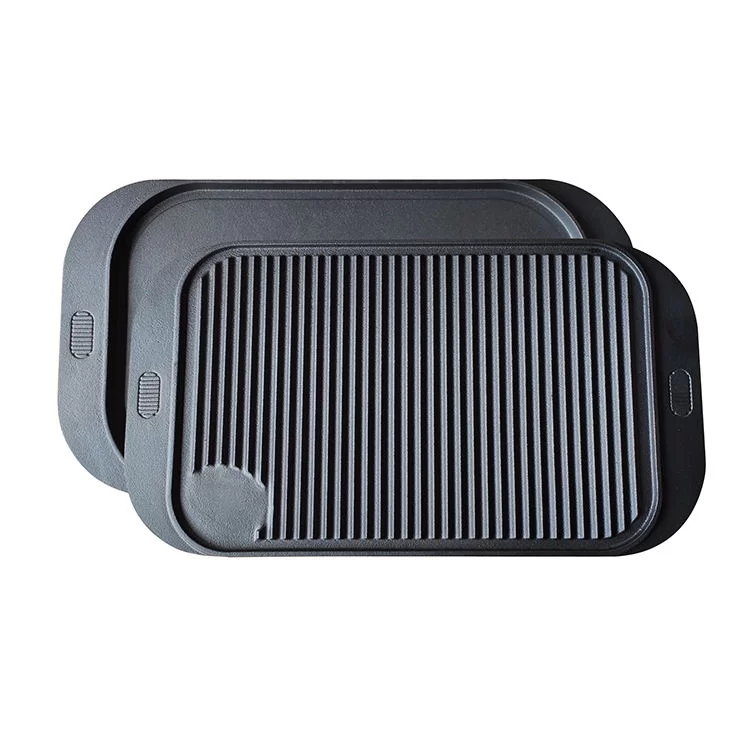
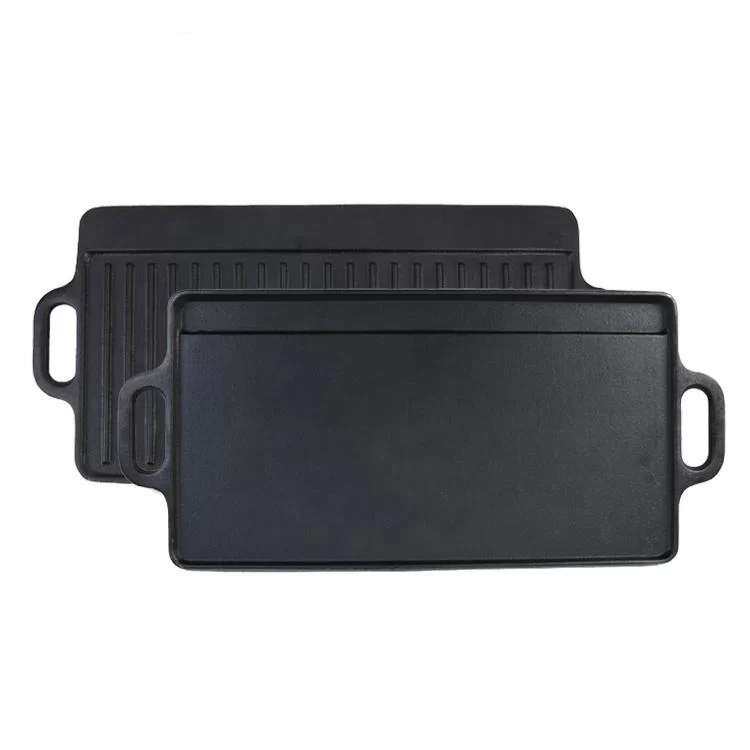
Evolution and Technical Trajectory of Enameled Cast Iron

From raw forge to precision porcelain engineering.

Market Development History

Before 2010, the Saudi market relied heavily on raw cast iron or imported aluminum. The technical limitation was primarily the vulnerability to rust in saline coastal air. The first major shift occurred around 2012 with the introduction of basic vitreous enamel, which provided a protective barrier but often suffered from chipping under extreme heat fluctuations.

Between 2015 and 2020, the industry transitioned to multi-layer porcelain fusion technology. This allowed for the creation of the white enamel cast iron skillet, which enabled chefs to monitor reduction sauces and searing colors more accurately than with traditional black surfaces.

From 2021 to the present, the focus has shifted toward ergonomic optimization and specialized sizing. The development of the small enameled cast iron skillet catered to the growing trend of portion-controlled gourmet serving and individual appetizers in the region's fine-dining sector.

Future Development Trends

Induction-Optimized Base Engineering

As Saudi households upgrade to smart induction kitchens, the focus is shifting toward perfectly flat, high-density magnetic bases to ensure 100% energy efficiency.

Eco-Friendly Enamel Formulations

Future iterations will utilize PFAS-free, lead-free porcelain glazes that withstand higher thermal shocks, specifically designed for the intense heat of regional gas ranges.

Hybrid Thermal Distribution

Integrating composite casting techniques to reduce the overall weight of the skillet while maintaining the legendary heat retention of traditional iron.

Industry Trends and Future Outlook

Forecasting the next 5 years of metalware innovation in the Middle East.

Smart Thermal Coatings
Implementation of heat-reactive enamel that changes color to indicate the perfect searing temperature.
Lightweight Casting
Developing advanced alloys that reduce weight by 20% without sacrificing heat retention.
Custom Aesthetic Finishes
Expanding palettes to include gold and metallic-infused enamels for luxury hospitality.
Sustainable Production
Implementing closed-loop casting systems to reduce carbon emissions per unit produced.

Industry Outlook

Based on Google search trends in Saudi Arabia, there is a significant uptick in queries related to "non-toxic cookware" and "professional cast iron." This indicates a shift toward health-conscious cooking and a desire for restaurant-quality tools at home. We predict a 15% annual growth in the demand for enameled products over the next three years.

The intersection of Saudi Arabia's growing tourism sector and the modernization of its home kitchens will drive the adoption of multifunctional cookware. Versatility—from the stove to the oven—will be the primary purchasing driver for the regional consumer.

Local Application Scenarios in Saudi Arabia

How our cast iron solutions integrate into the Saudi Arabian lifestyle.

01. Authentic Kabsa Slow-Braising

Using a deep enameled cast iron skillet to sear meat at high temperatures and then transition to a slow simmer, ensuring the rice absorbs all the rich aromatics without burning.

02. Gourmet Meze Appetizers

Utilizing the small enameled cast iron skillet for serving individual portions of baked halloumi or spicy shrimp, providing a professional presentation directly from oven to table.

03. High-Heat Searing for Steak-houses

Employing the frying pan cast iron enameled in Riyadh's luxury steakhouses to achieve a perfect Maillard reaction while maintaining a clean, non-reactive surface.

04. Traditional Stews with Modern Hygiene

Applying the white enamel cast iron skillet for light-colored traditional stews, allowing the chef to monitor the precise level of browning of onions and garlic.

05. Desert Camp Gourmet Cooking

The durability of porcelain enamel makes it ideal for high-end desert camping, where cookware must withstand rugged transport while offering superior heat distribution over open flames.

Brand Story

Global Development Journey of Ningjin County Jinshengyuan Casting Co., Ltd.

Foundational Excellence

Established with a commitment to traditional metallurgy, we began by perfecting the casting process to eliminate porosity and ensure structural integrity in every piece.

Technological Leap

We integrated advanced porcelain enameling lines, solving the age-old problem of rust and maintenance, transforming raw iron into a versatile culinary tool.

Quality Standardization

By implementing ISO-certified quality control, we ensured that every skillet meets international food safety standards, opening doors to global export markets.

Market Diversification

We expanded our product range to include specialized sizes and colors, tailoring our designs to meet the specific cultural and culinary needs of different regions.

The Global Vision

Today, we focus on sustainable manufacturing and the pursuit of thermal perfection, serving professional chefs and home cooks from Asia to the Middle East.

Complete Enameled Cast Iron Portfolio for Saudi Arabia

A curated selection of high-performance cookware designed for the Gulf region's culinary diversity.

Frequently Asked Questions for Saudi Arabia

Expert answers to the most common technical and usage queries in the region.

How do I maintain a white enamel cast iron skillet in a humid coastal city like Jeddah?

Unlike raw cast iron, the enamel coating prevents rust. Simply wash with mild soap and dry immediately. The porcelain layer acts as a barrier against the saline humidity typical of Saudi coastal regions.

Can a deep enameled cast iron skillet be used on high-BTU gas burners common in Saudi Arabia?

Yes, our skillets are designed for high thermal resistance. However, we recommend gradual heating to avoid thermal shock to the enamel coating, ensuring a longer lifespan for the product.

Is a small enameled cast iron skillet suitable for individual serving of appetizers?

Absolutely. These are specifically designed for "oven-to-table" service, maintaining heat for a significant amount of time, which is ideal for the hospitality standards in Saudi Arabia.

What is the difference between a frying pan cast iron enameled and a raw cast iron pan?

The enamel version is non-reactive, meaning you can cook acidic foods (like tomato-based sauces) without affecting the taste. It also requires no seasoning, making it more convenient for modern kitchens.

Is the porcelain enamel skillet safe for induction cooktops installed in new Riyadh apartments?

Yes, the cast iron core is naturally magnetic, making it highly compatible with induction hobs, providing efficient and rapid heat transfer.

How do I remove burnt-on food from an enameled cast iron surface?

We recommend simmering a small amount of water and baking soda in the pan. This will gently lift the residues without scratching the enamel surface.

Ready to Upgrade Your Kitchen?

Contact our specialists for wholesale and custom manufacturing solutions tailored for Saudi Arabia.

Contact Us Now

If you are interested in our products, you can choose to leave your information here, and we will be in touch with you shortly.