The Ultimate Guide to a High Quality Cast Iron Pizza Pan
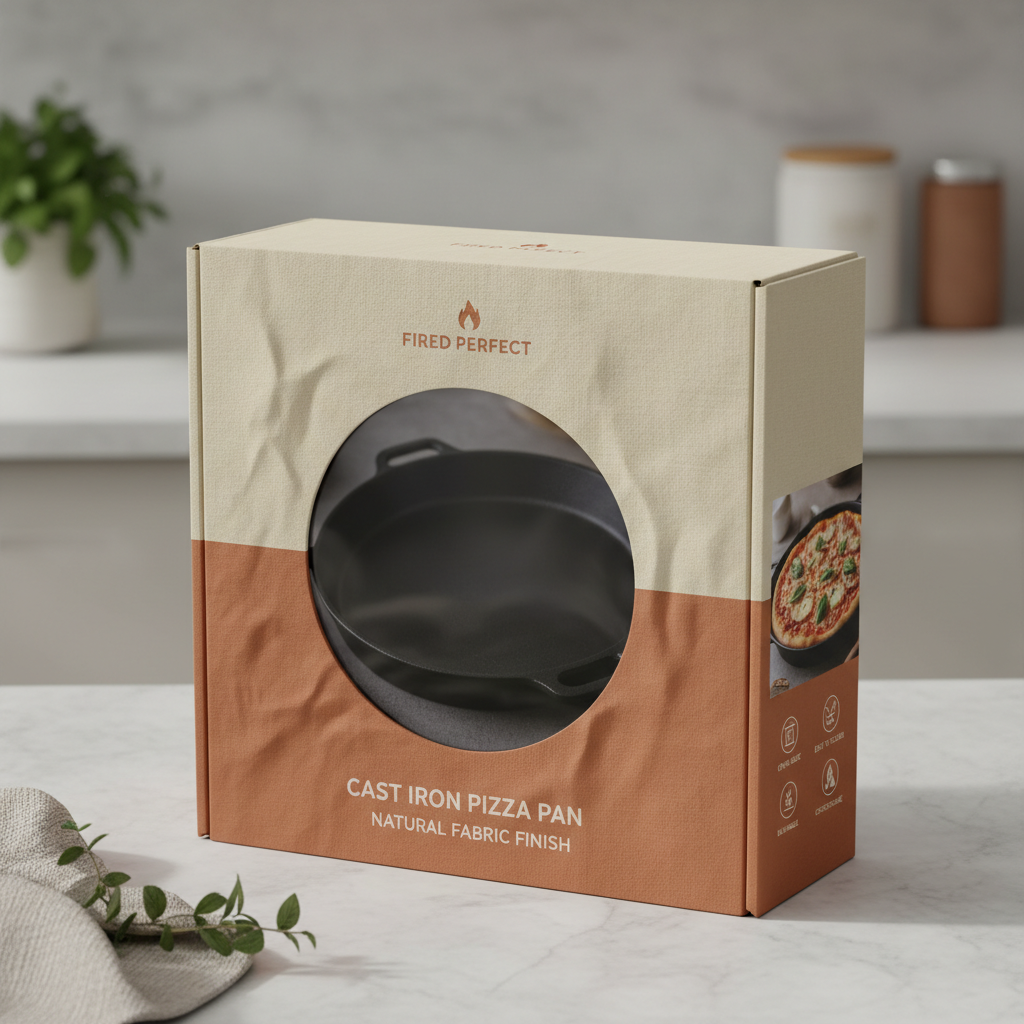
Achieving that perfect, crispy-crusted pizza at home starts with the right tools. And when it comes to pizza-making, a high quality cast iron pizza pan is a game-changer. This isn't just about convenience; it's about elevating your pizza experience. From superior heat retention to even cooking, cast iron offers benefits that other materials simply can't match. In this guide, we’ll explore everything you need to know about choosing, seasoning, and using a cast iron pizza pan for restaurant-quality results. We'll dive into the details to help you make an informed decision and unlock the full potential of your homemade pizzas.
Why Choose a Cast Iron Pizza Pan?
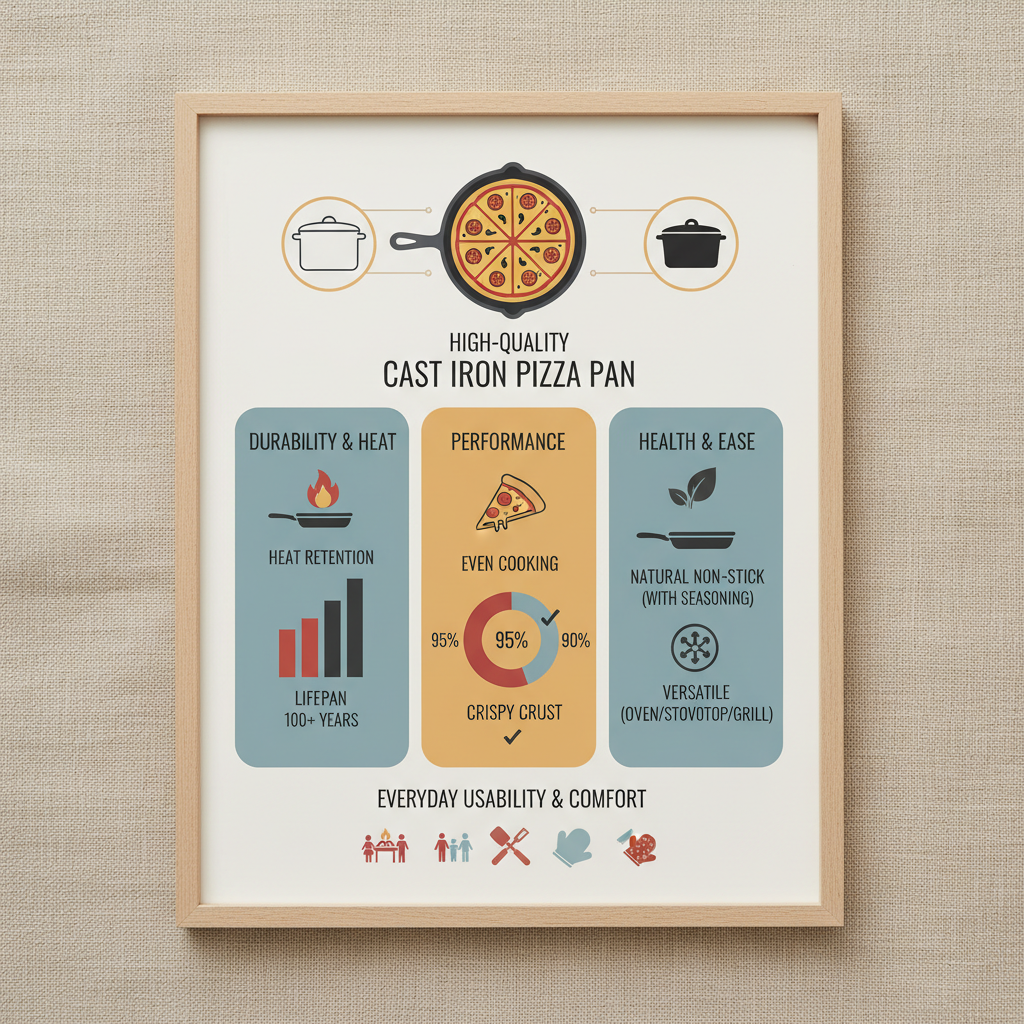
Cast iron is renowned for its exceptional heat retention. This means your pizza pan stays consistently hot, even when you add cold ingredients like sauce and cheese. This consistent temperature is key to creating a beautifully browned crust. Unlike thinner pans that can cool down quickly, cast iron ensures even cooking from edge to edge. Furthermore, cast iron pans are incredibly durable. With proper care, a high quality cast iron pizza pan can last for generations, becoming a treasured heirloom in your kitchen. Explore our selection of cast iron pans today!
Key Benefits: Superior heat retention, even cooking, incredible durability, and versatile for multiple cooking methods.
Understanding Different Types of Cast Iron Pizza Pans
Not all cast iron pans are created equal. There are several types available, each with its own strengths. Pre-seasoned pans are ready to use right out of the box, saving you the initial seasoning process. Enameled cast iron pans offer a non-reactive surface and come in various colors, making them an attractive addition to your kitchen. However, they typically don't retain heat quite as effectively as traditional bare cast iron. Rough-cast pans have a textured surface that's ideal for achieving a super-crispy crust, while smooth-cast pans are easier to clean. Choosing the right type depends on your preferences and cooking style.
Cast Iron Pan Types:
• Pre-seasoned: Ready to use, convenient.
• Enameled: Non-reactive, colorful, easier to clean.
• Rough-cast: For crispy crusts.
• Smooth-cast: Easier cleaning.
High Quality Cast Iron Pizza Pan: A Comparison
Choosing between cast iron and other pizza-making surfaces can be tricky. Here’s a comparison to help you understand the advantages of cast iron. A high quality cast iron pizza pan truly stands out.
| Material |
Heat Retention |
Cooking Evenness |
Durability |
| Cast Iron |
Excellent |
Very Even |
Exceptional |
| Aluminum |
Good |
Relatively Even |
Good |
| Steel |
Moderate |
Moderate |
Moderate |
| Stone |
Good |
Even |
Good |
Caring for Your Cast Iron Pizza Pan
Proper care is essential for maintaining your cast iron pan's performance and longevity. Avoid using harsh detergents or abrasive cleaners, as these can damage the seasoning. After each use, clean the pan with warm water and a soft sponge. Dry it thoroughly and lightly oil it to prevent rust. Re-seasoning your pan periodically will help maintain its non-stick properties. Browse our range of cast iron cookware for quality pieces.
Product Specifications: JSY Cast Iron Pizza Pan
Here's a detailed look at our JSY Cast Iron Pizza Pan:
| Specification |
Detail |
| Diameter |
14 inches |
| Depth |
0.75 inches |
| Weight |
6.5 lbs |
| Material |
Cast Iron |
Conclusion: Elevate Your Pizza Game
Investing in a high quality cast iron pizza pan is a simple yet impactful way to improve your homemade pizza. Its superior heat retention, even cooking, and durability make it a worthwhile addition to any kitchen. Don’t settle for mediocre pizza – experience the difference that cast iron can make.
Frequently Asked Questions (FAQs)
Can I use a cast iron pizza pan on the grill?
Yes, you can! Cast iron is incredibly versatile and can be used on the grill to create a uniquely smoky flavor. Be sure to preheat the pan gradually to avoid thermal shock. Using a cast iron pizza pan on the grill is a great way to achieve a crispy, charred crust reminiscent of wood-fired pizzas. Always use caution when handling hot cast iron and wear appropriate heat-resistant gloves.
How do I season a new cast iron pizza pan?
Seasoning involves coating the pan with oil and baking it at a high temperature. This creates a natural, non-stick surface. Start by cleaning the pan with warm water and drying it thoroughly. Apply a thin, even coat of cooking oil (flaxseed oil, canola oil, or vegetable oil work well) to the entire surface, inside and out. Wipe off any excess oil. Bake the pan upside down in a preheated oven at 400-450°F (200-230°C) for 1 hour. Let it cool completely before using. Repeat this process several times for best results.
Is it okay to use metal utensils on my cast iron pan?
While cast iron is durable, using metal utensils can potentially scratch the seasoning over time. We recommend using wooden or silicone utensils to preserve the seasoning and prevent damage. If you do use metal utensils, be gentle and avoid excessive scraping. A well-seasoned pan can withstand some use with metal utensils, but it’s best to be cautious.
What’s the best way to clean a cast iron pizza pan after making a pizza?
The best way to clean your cast iron pizza pan is to scrape off any leftover food while it's still warm. Rinse with warm water (avoid soap if possible). If necessary, use a soft sponge or brush. Dry thoroughly with a towel and then place it on a burner over low heat for a few minutes to ensure it's completely dry. Finish by lightly oiling the surface to prevent rust.