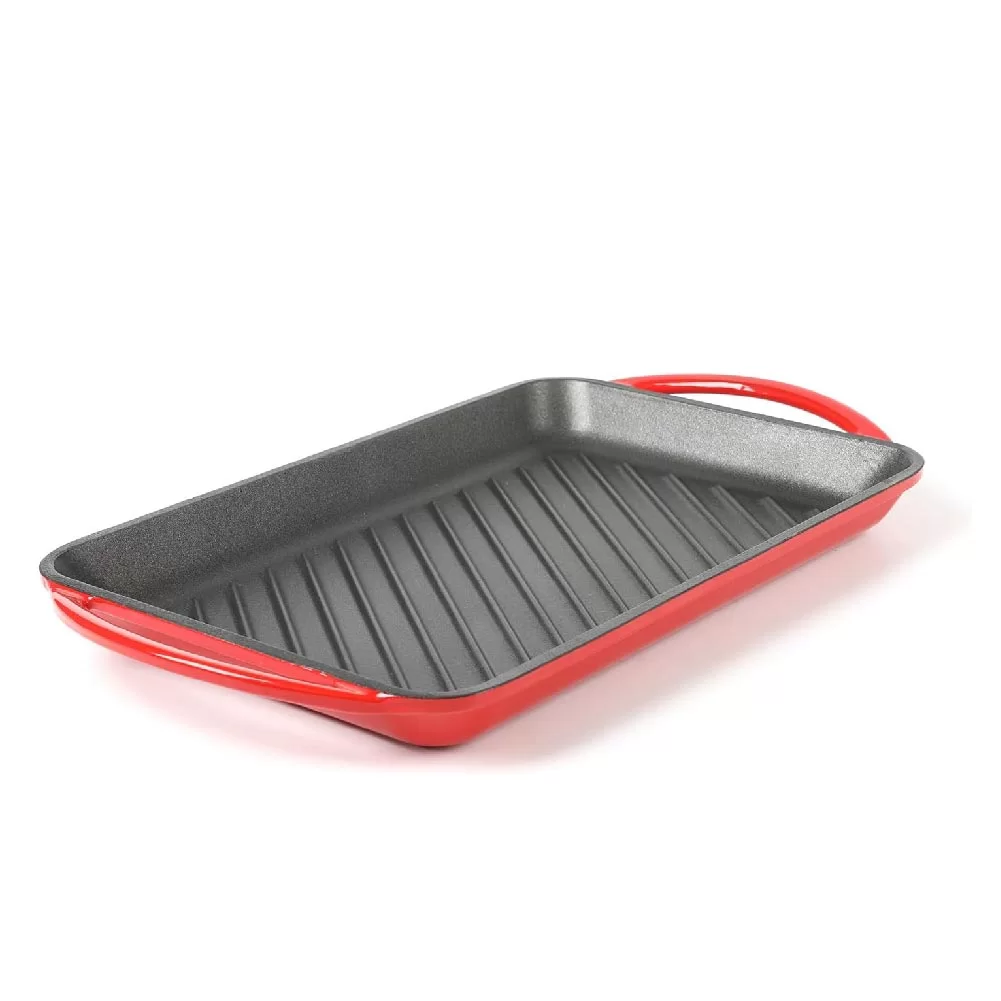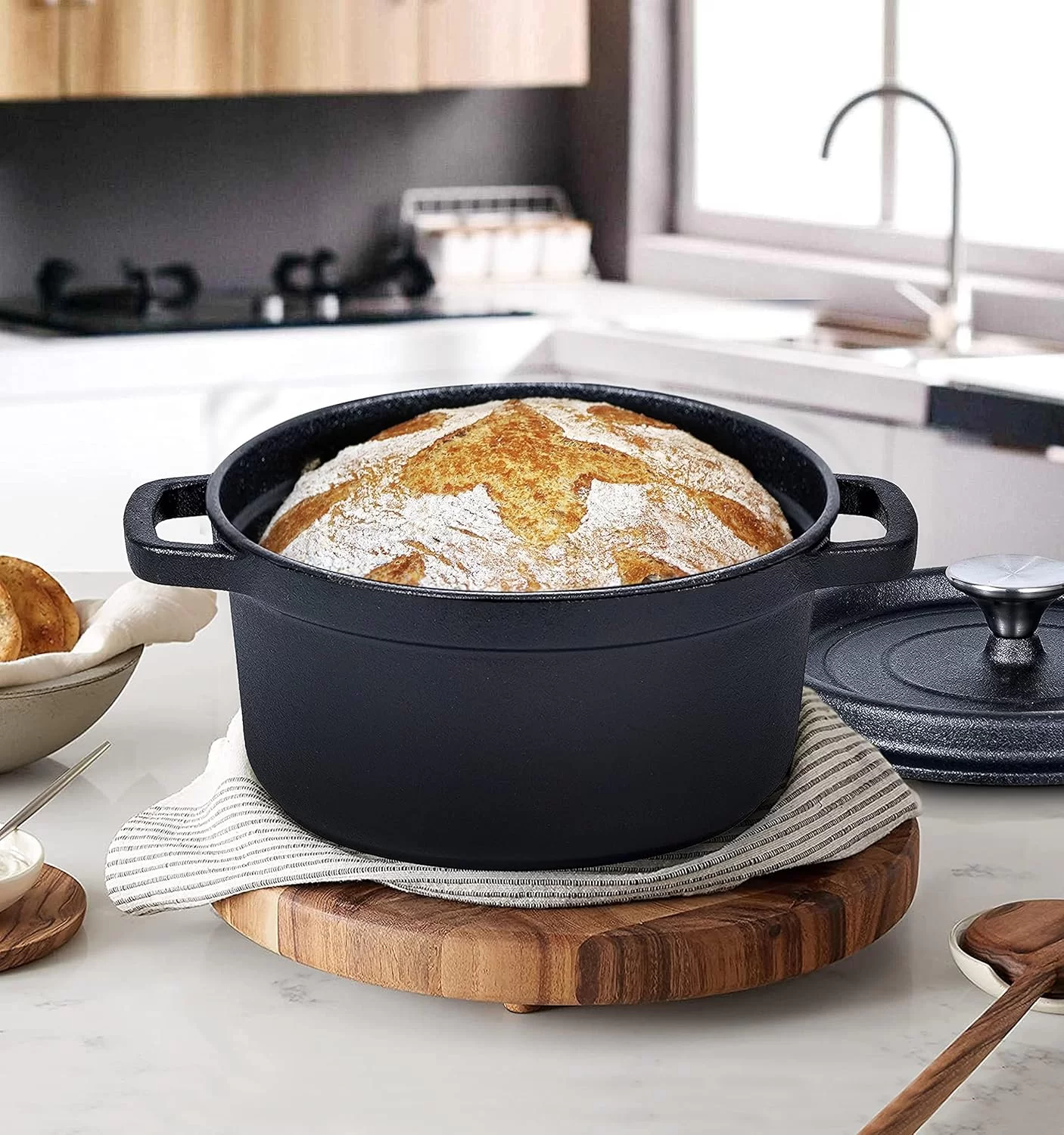
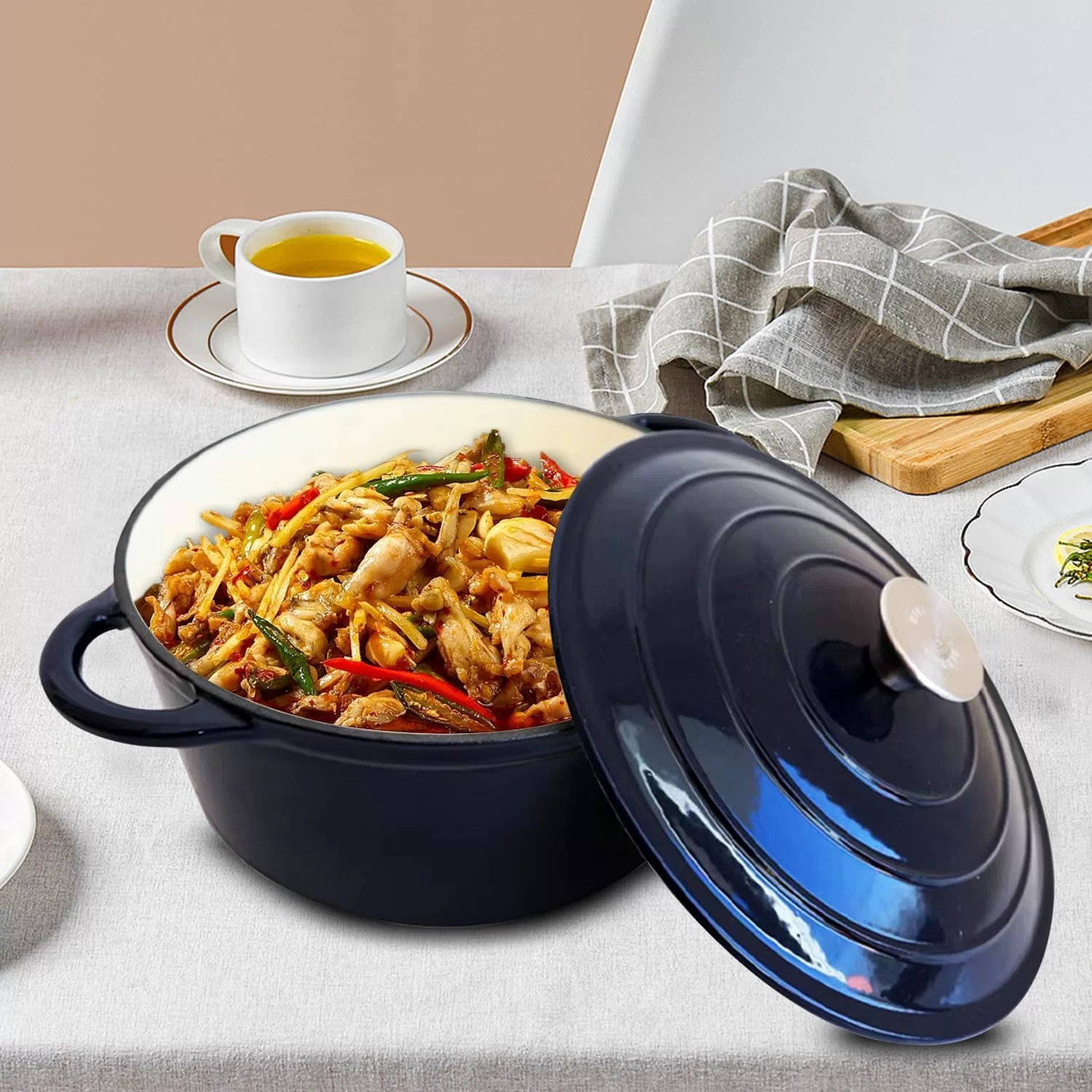
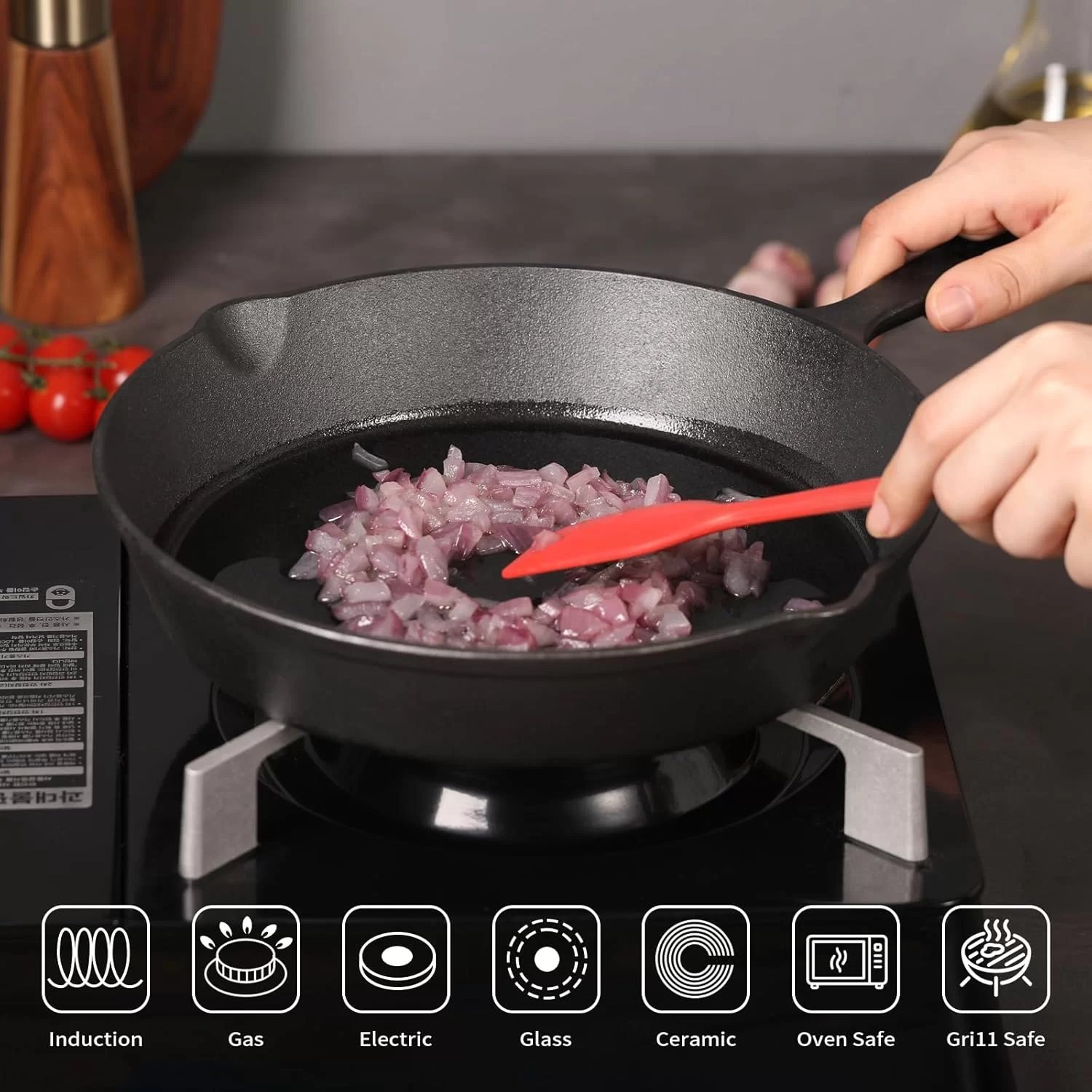
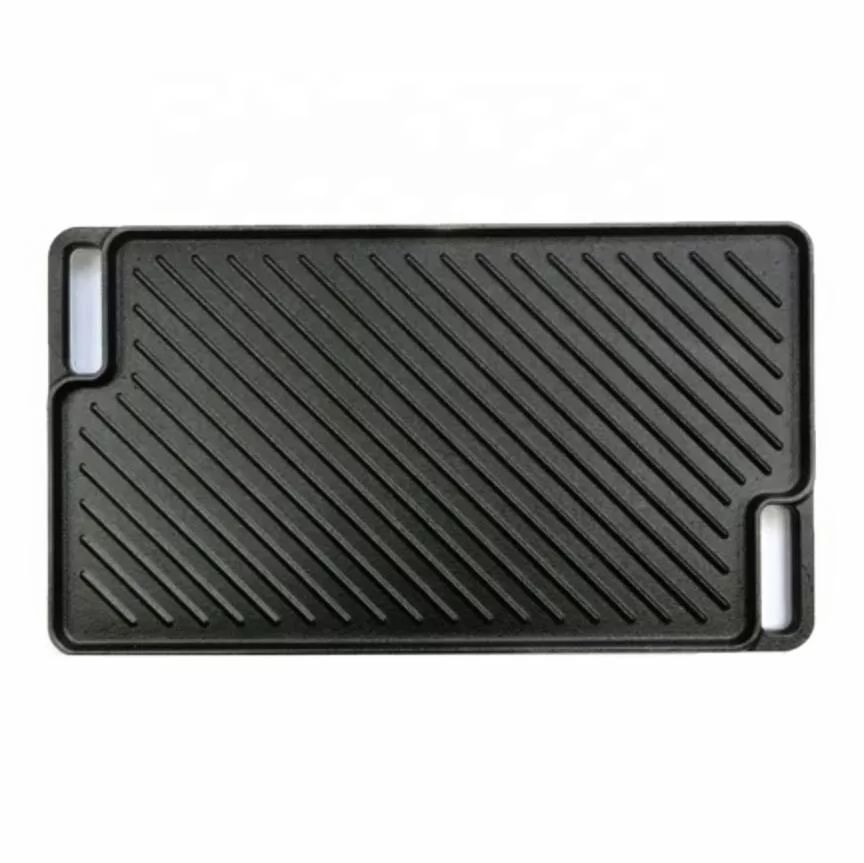
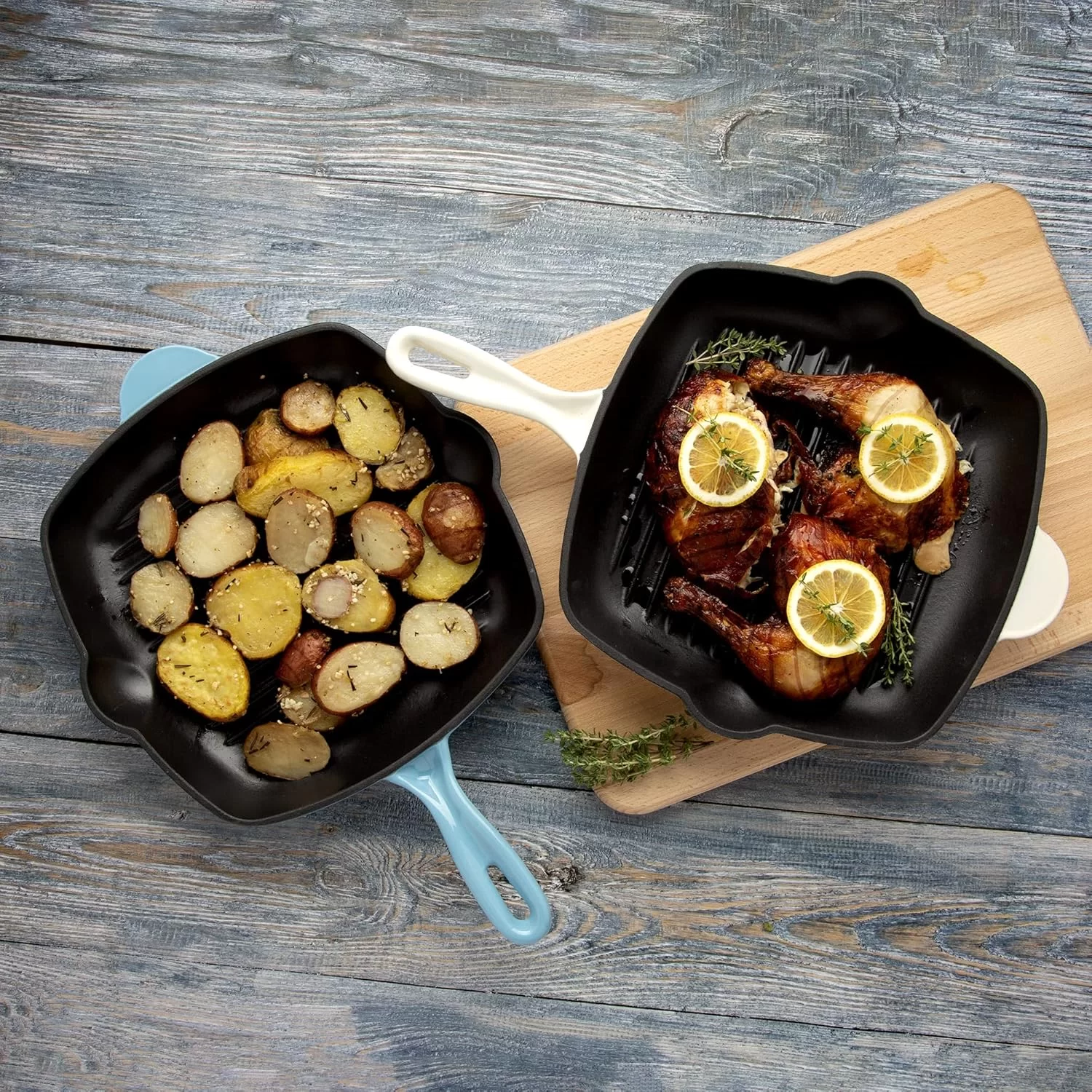
In the United States, the culinary preference has shifted toward a blend of traditional durability and modern convenience. The rise of "farm-to-table" cooking has increased the demand for a deep enameled cast iron skillet, which allows American chefs to transition seamlessly from searing on a gas range to slow-roasting in high-capacity electric ovens.
Regionally, the humid climates of the East Coast and the varied temperatures of the Midwest make traditional raw cast iron susceptible to oxidation. This has led to a surge in the adoption of the white enamel cast iron skillet, as the porcelain coating eliminates the need for laborious seasoning while providing a visually clean aesthetic that fits modern US kitchen interiors.
Economically, US consumers are increasingly prioritizing "investment pieces"—cookware that lasts a lifetime. This trend favors high-density cast iron reinforced with industrial-grade enamel, ensuring that the frying pan cast iron enameled remains resistant to acidic ingredients like tomatoes and citrus, which are staples in American regional cuisines.